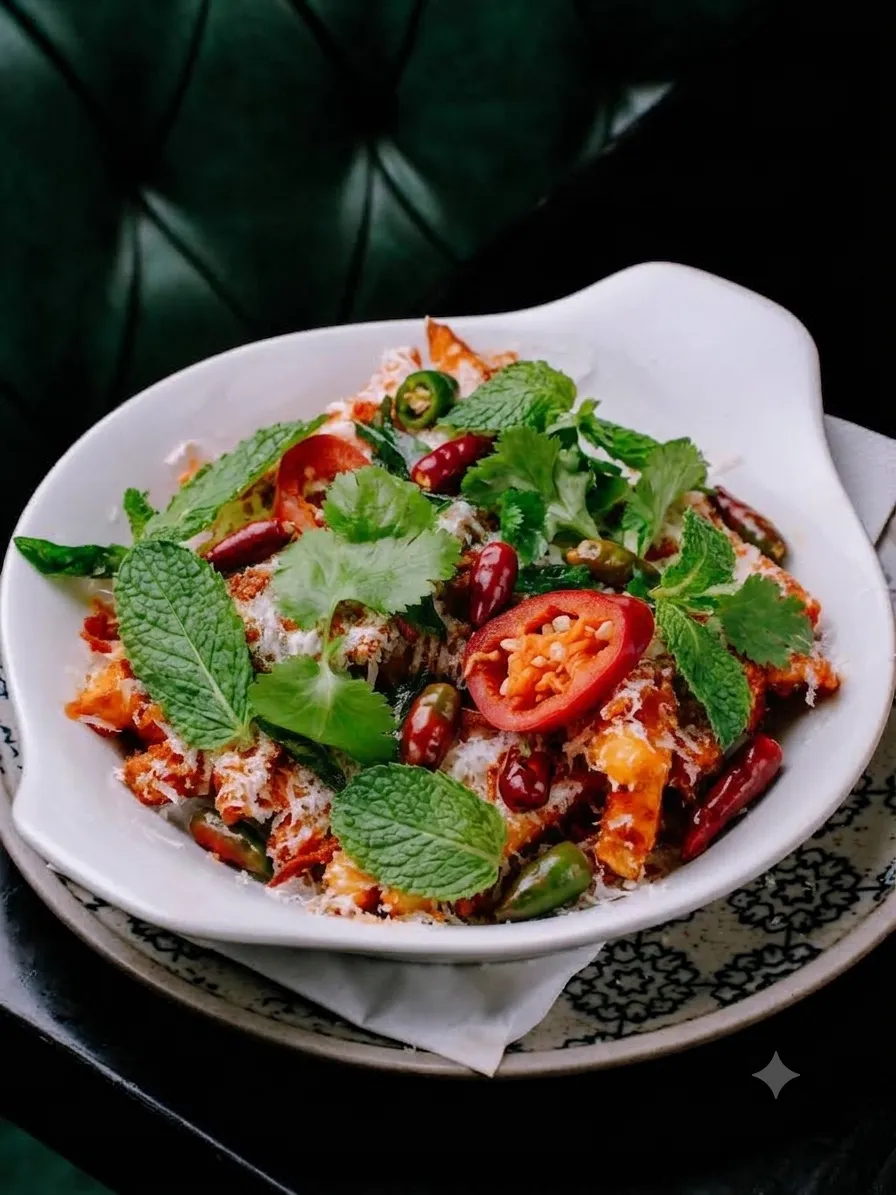
10 Things to Look for Before Choosing an Indian Restaurant in Leeds UK
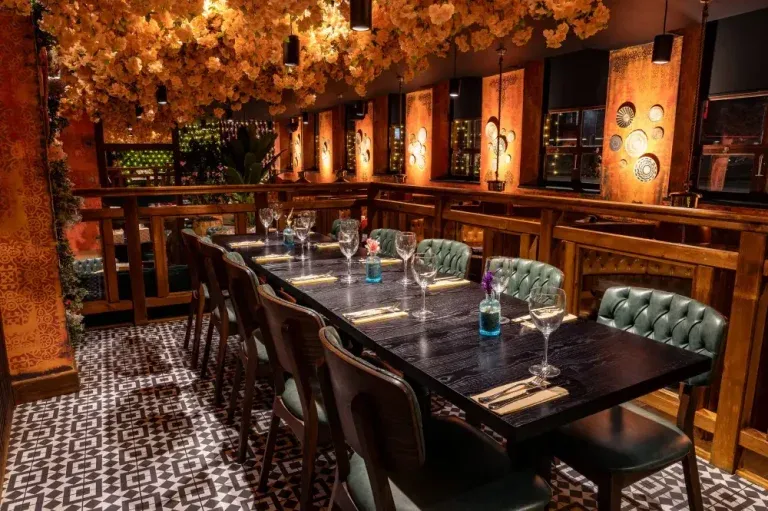
Choosing somewhere to dine is easier when you know what to check before making a reservation. A restaurant can look appealing online, yet the experience may depend on details that photographs do not show. The ordering format, expected pace, portion guidance and booking process can all affect whether the evening feels relaxed or confusing.
Before selecting an Indian restaurant Leeds diners should consider how the venue operates from booking through to the final course. These ten checks focus on practical details that can help guests choose confidently.
1. Check How the Menu Is Designed to Be Ordered
Some menus are built around one main dish per person, while others encourage the table to share several smaller plates. Understanding this in advance helps guests order the right quantity and avoid expecting a conventional starter-and-main sequence.
A restaurant should make its service format clear and provide guidance when requested.
2. Ask How Many Dishes Are Recommended
Small plates create variety, but portion sizes are not always easy to judge online. Check whether the restaurant suggests a certain number of dishes per person or table.
Clear portion advice helps a group manage its budget, reduce waste and avoid placing a second order after everyone else has finished.
3. Find Out When Dishes Will Arrive
Not every kitchen sends all food to the table at the same time. In sharing-led restaurants, dishes may arrive as soon as they are ready.
This can produce a lively meal, but guests should know what to expect. Anyone working around a theatre performance, train or fixed commitment should mention the required leaving time when booking.
4. Look for Useful Spice Guidance
Labels such as mild, medium and hot do not always explain a dish. Good descriptions may indicate whether the warmth comes from chilli, black pepper, ginger or another ingredient.
Staff should also be able to suggest a combination that suits different preferences rather than assuming every diner wants the same level of heat.
5. Check Whether the Menu Changes
Seasonal menus can be positive because they allow the kitchen to respond to ingredient availability and introduce new dishes. However, returning diners should confirm that a favourite item is still available.
Current menus and prices should be checked directly, particularly when planning a celebration around a particular dish.
6. Understand the Allergy-Enquiry Process
A menu symbol is helpful, but it cannot answer every allergy question. Guests with serious requirements should check whether the restaurant invites advance enquiries and can explain preparation methods or possible cross-contact.
This is more useful than simply counting how many dishes carry a dietary label.
7. Review the Group-Booking Arrangements
Larger tables may follow different rules from ordinary reservations. A restaurant might request a deposit, use a set menu or ask for choices in advance.
Before confirming, clarify:
- The minimum or maximum group size
- Deposit and cancellation conditions
- Whether separate payments are accepted
- How dietary needs will be recorded
- Whether private spaces are available
These details can prevent delays and misunderstandings on the day of the meal.
8. Consider the Drinks Alongside the Food
A thoughtful drinks menu can strengthen the meal. Cocktails, mocktails and alcohol-free choices may use ingredients that complement the kitchen’s flavours.
For Kerala-inspired cooking, combinations involving coconut, ginger, cardamom, tamarind or citrus can connect the food and drinks without making the experience overly formal.
9. Look for Confidence in Explaining Unfamiliar Dishes
An Authentic Indian restaurant Leeds visitors choose should not expect every guest to recognise regional names. Useful descriptions and informed staff can make unfamiliar food approachable without oversimplifying it.
Guests should feel comfortable asking what a dish contains, how it is eaten and what may pair well with it. Helpful explanations allow diners to try something new without feeling uncertain about their order.
10. Check Whether the Venue Supports the Whole Occasion
A meal may involve more than choosing dishes from the main menu. Pre-theatre options, set menus, private dining and a dedicated bar can make a restaurant more useful for celebrations or planned evenings.
Kerala Canteen presents Kerala-inspired small plates and group menus, while its private-dining information explains that set menus can be adapted around dietary preferences. Its bar also uses ingredients such as coconut, cardamom, ginger and tamarind in cocktails and alcohol-free drinks.
Conclusion
Choosing a restaurant becomes easier when diners examine how the experience is organised, not just how the food looks online. Ordering style, portion guidance, service timing, spice information and group policies can all influence the evening.
By checking these ten details before reserving a table, guests can arrive with realistic expectations and make decisions that suit everyone involved. A well-run restaurant should explain its concept clearly, respond to practical questions and help diners enjoy regional food without uncertainty. That combination of communication, flexibility and a distinctive culinary approach can turn a simple meal into an experience worth repeating.