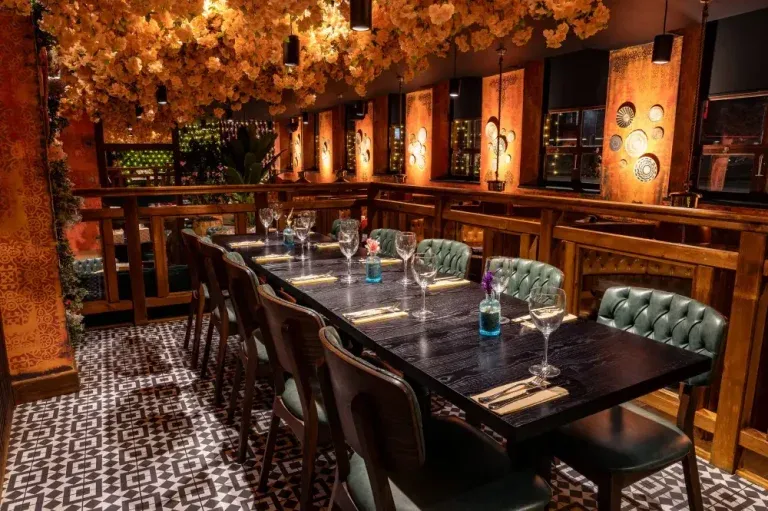
Dishoom vs Kerala Canteen: Which Leeds Restaurant Has the More Interesting Indian Menu?

A restaurant menu can reveal more than what is available to order. It can show where the food comes from, how the kitchen wants diners to experience it and whether the restaurant is aiming for familiarity, discovery or both. Dishoom Leeds and Kerala Canteen have distinctive identities, but their menus take very different routes.
Dishoom draws inspiration from Bombay, bringing together café dishes, grills, curries, biryanis and all-day favourites. Kerala Canteen focuses more tightly on Kerala, using small plates, bowls, biryani and tasting-style formats to give diners a closer look at one regional cuisine.
Dishoom Offers Breadth Across the Day
Dishoom’s menu is built around variety. Breakfast, lunch and dinner each have their own character, so the food can feel different depending on when you visit.
In the morning, the emphasis is on Bombay-inspired breakfast dishes and naan rolls. Later in the day, the menu expands into grills, small plates, curries, breads and biryanis.
A table can order familiar favourites while adding less familiar dishes, creating a meal that moves between several styles of Bombay-inspired food.
Kerala Canteen Takes a More Focused Regional Approach
Kerala Canteen works differently. Instead of covering a broad range of Indian influences, it keeps returning to Kerala as its main culinary reference point.
The Kerala restaurant Leeds menu includes tapas-style plates, curry bowls, biriyani, sides and desserts, with flavours associated with Kerala appearing throughout the selection. Coconut, pepper, curry leaves, tamarind and seafood help give the food a clear regional character.
The advantage of this narrower focus is that diners can notice connections between dishes. Rather than moving between unrelated styles, the meal can feel like a deeper exploration of one part of India.
Small Plates Encourage Curiosity
The format of a menu can be just as important as the dishes themselves. Kerala Canteen’s small-plate approach encourages diners to order several items and share them across the table.
That can be useful for people who are new to Kerala cuisine. Instead of choosing one main course, they can try several dishes with different textures, spice levels and ingredients.
Dishoom also works well for sharing, especially when a table combines grills, breads, side dishes and biryani. The difference is that Dishoom moves across a wider Bombay-inspired menu, while Kerala Canteen keeps the experience centred on one regional tradition.
A Tasting Menu Changes the Experience
Some diners prefer a restaurant to guide them through the meal rather than choosing every plate themselves. This is where a tasting format can make a menu more interesting.
People looking for an Indian tasting menu Leeds experience can use Kerala Canteen’s structured format to explore several parts of the menu within one sitting. It can help first-time visitors understand how different dishes work together without needing to study every individual option.
It also changes the pace of the meal, turning dinner into a more deliberate progression through different flavours rather than one large order.
Familiarity Versus Discovery
Dishoom may feel more immediately accessible to diners who already know dishes such as biryani, grilled kebabs, daal, naan and curry. Its menu balances recognisable choices with more distinctive house dishes, which can make ordering straightforward for mixed groups.
Kerala Canteen is more likely to appeal to diners who want to explore food they may not see as often elsewhere. Its regional focus gives the menu a stronger sense of place and can introduce guests to less familiar combinations.
Neither approach is automatically more interesting. For some diners, interest comes from variety; for others, it comes from depth and regional detail.
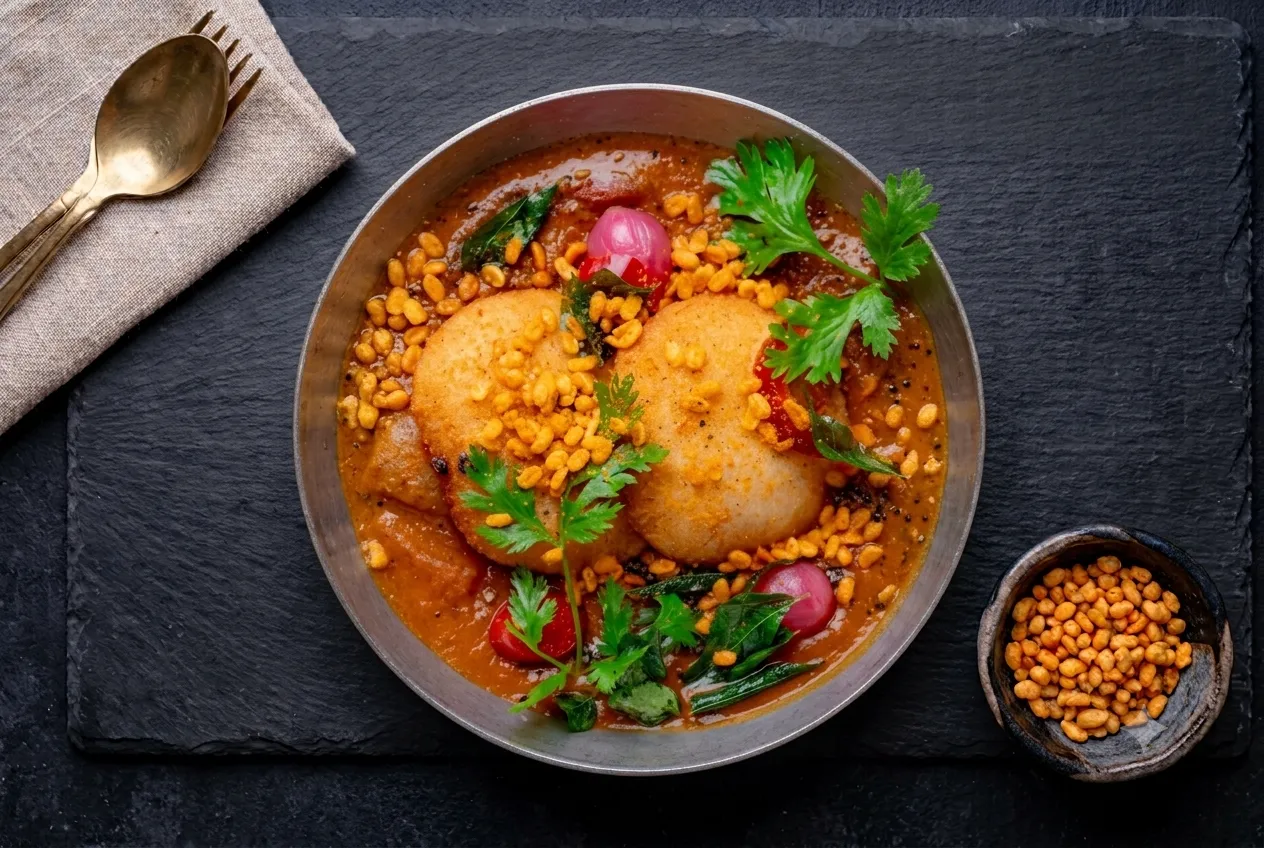
Which Menu Works Better for Different Occasions?
Dishoom’s wider menu and all-day format can work well for casual lunches and groups where people want different things from the same meal. Its range allows diners to take separate routes through the menu.
Kerala Canteen works particularly well when the aim is to explore. Sharing plates, bowls and tasting options allow diners to compare flavours and build the meal around discovery.
Conclusion
Dishoom Leeds and Kerala Canteen both give their menus a clear identity, but they do so in different ways. Dishoom offers a broad Bombay-inspired selection that changes across the day and gives groups plenty of choice.
Kerala Canteen takes a more focused route, using one regional cuisine as the foundation for small plates, bowls and structured dining experiences. That approach can make the meal feel more exploratory, especially for diners who enjoy discovering unfamiliar flavours.
The more interesting menu therefore depends on what you value most. Dishoom offers range and flexibility, while Kerala Canteen provides greater regional concentration and a stronger sense of culinary discovery.