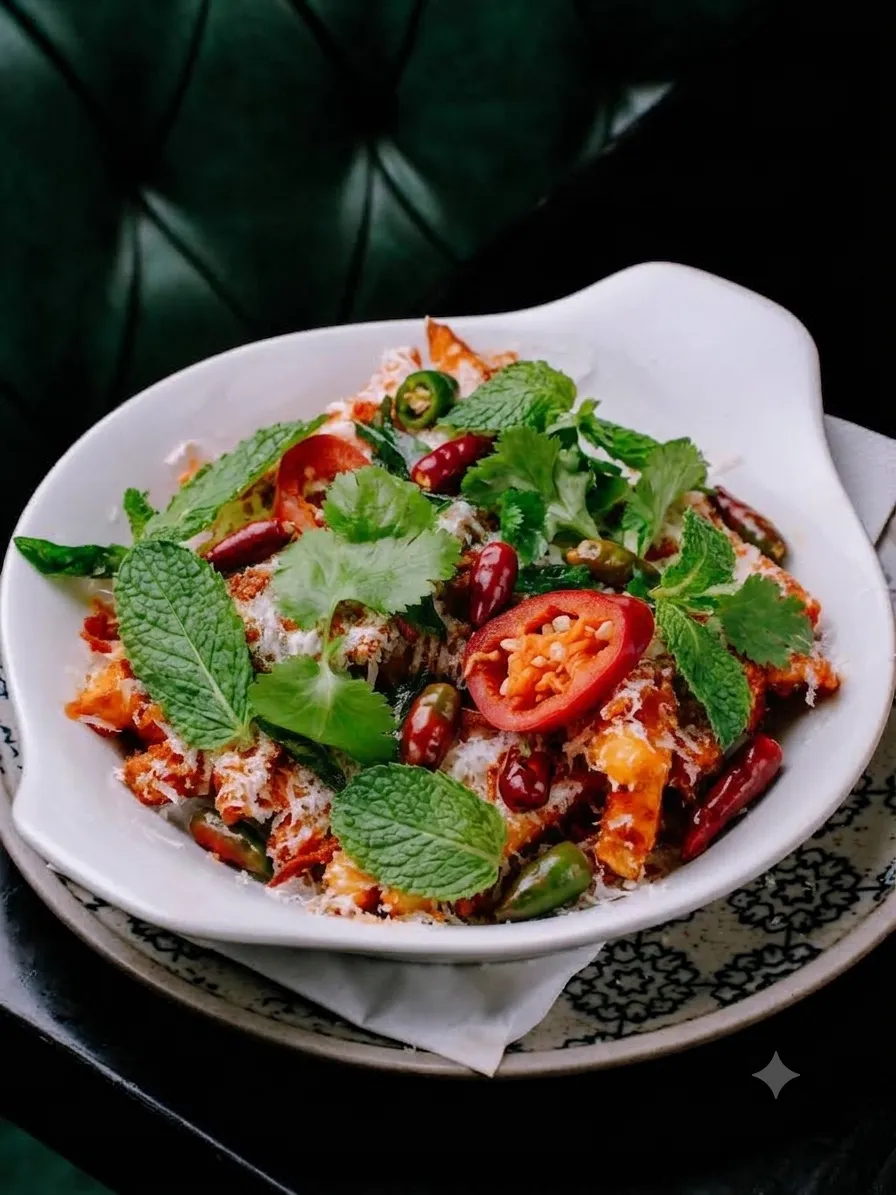
Delicious Alchemy: Transforming Simple Ingredients into Gourmet Masterpieces

Introduction & Background
In a world where convenience often overshadows craftsmanship, there is a quiet revolution happening in kitchens everywhere. It involves taking the simplest of ingredients and elevating them into dishes that dazzle the senses and impress even the most discerning palates. This art of transformation is not reserved for professional chefs with years of training or access to exotic spices. Instead, it is a skill anyone can cultivate with patience, curiosity, and a willingness to experiment. Whether you are a busy parent looking to turn a weeknight dinner into a family favorite or a home cook eager to explore the magic of flavor, the journey from ordinary to extraordinary begins with the belief that greatness lies hidden in the ordinary.
The philosophy behind this culinary alchemy is rooted in the idea that food is more than just sustenance. It is an experience, a story told through taste and texture, and a celebration of what happens when humble ingredients are treated with intention. From a perfectly caramelized onion to a crisp golden crust on a loaf of bread, the transformation of simple ingredients into gourmet masterpieces is a testament to the power of technique and creativity. This process not only enhances the dining experience but also fosters a deeper appreciation for the food we eat and the effort that goes into creating it.
Concept & Overview
The concept of transforming simple ingredients into gourmet masterpieces is centered around a few core principles that guide the process. At its heart, it is about understanding the potential of each ingredient, recognizing how different flavors and textures interact, and applying techniques that bring out the best in what you have. This is not about adding expensive or hard-to-find items. Rather, it is about maximizing the natural qualities of everyday foods through skillful preparation.
One of the foundational ideas is the power of seasoning. Salt, for example, is not just a seasoning but a transformer. It can draw out moisture from vegetables to create crispy roasted potatoes or amplify the umami in a simple tomato sauce. Similarly, acidity from lemon juice or vinegar can balance richness and brighten flavors, while herbs and spices add depth and complexity. These elements, when used thoughtfully, elevate even the most basic dish into something memorable.
Another key principle is patience. Slow cooking, marinating, and allowing flavors to meld together over time can turn a tough cut of meat into tender perfection or transform a bland soup into a rich, layered broth. Techniques like reducing sauces, browning meats before braising, or allowing dough to rest all play a role in this culinary alchemy. Ultimately, the process is about respecting the ingredients and giving them the time and attention they deserve.
Key Features & Highlights
- Versatility of Simple Ingredients: Almost any ingredient can be transformed with the right techniques. Eggs can become silky scrambled eggs or a fluffy soufflé. Potatoes can be turned into creamy mashed potatoes or crispy fries. Even a humble onion can become the base for a rich French onion soup or a sweet caramelized topping for a burger.
- Mastery of Basic Techniques: Techniques like searing, roasting, braising, and deglazing are the building blocks of gourmet cooking. Learning to control heat, manage moisture, and layer flavors can turn a simple dish into a masterpiece without requiring advanced skills or equipment.
- Understanding Flavor Profiles: Every ingredient has a unique flavor profile, and understanding how to combine them harmoniously is key. For example, the sweetness of carrots pairs beautifully with the earthiness of thyme, while the tang of yogurt can balance the heat of a spicy dish. Experimenting with these combinations is where creativity comes into play.
- Presentation and Plating: Gourmet meals are not just about taste. They are also about visual appeal. Simple elements like garnishes, contrasting colors, and thoughtful plating can make a dish look as good as it tastes. A sprinkle of fresh herbs or a drizzle of sauce can elevate a dish from home-cooked to restaurant-quality.
- Resourcefulness and Creativity: The best gourmet dishes often come from making the most of what you have. Using leftovers creatively, repurposing ingredients, and improvising with what’s available in your pantry or fridge can lead to unexpected and delightful results.
- Quality Over Quantity: While gourmet cooking does not require expensive ingredients, it does demand quality. Fresh, seasonal ingredients often taste better and require less manipulation to shine. Investing in good olive oil, fresh herbs, and high-quality proteins can make a significant difference in the final dish.
Frequently Asked Questions / Pros & Cons
What exactly is “Delicious Alchemy”?
Delicious Alchemy refers to the process of transforming everyday, simple ingredients into gourmet dishes through skillful techniques, creativity, and attention to detail. It is about seeing the potential in ordinary foods and using methods like seasoning, cooking techniques, and presentation to elevate them to something extraordinary.
Do I need expensive ingredients to create gourmet meals?
Not at all. The beauty of this approach is that it focuses on maximizing the natural qualities of affordable ingredients. For example, a simple egg can become a gourmet dish with the right technique, such as making a perfectly poached egg with a runny yolk. The key is in how you prepare and combine the ingredients, not the cost of the ingredients themselves.
How long does it take to master these techniques?
Mastery is a journey, not a destination. While you may start seeing improvements in your cooking within a few weeks of practice, truly mastering techniques like searing, braising, or making a perfect sauce can take months or even years. The important thing is to practice consistently and learn from each experience. Even small improvements can lead to significantly better results over time.
What are the biggest challenges people face when trying to transform simple ingredients into gourmet dishes?
One of the most common challenges is patience. Many techniques, such as caramelizing onions or reducing a sauce, require time and cannot be rushed. Another challenge is seasoning. Over-salting or under-seasoning can easily ruin a dish, so it is important to taste as you go and adjust flavors gradually. Finally, presentation can be intimidating for beginners, but remember that even small touches, like arranging food neatly on a plate or adding a sprinkle of fresh herbs, can make a big difference.
Are there any ingredients that are particularly difficult to transform?
Some ingredients are naturally more forgiving than others. For example, tough cuts of meat like brisket or chuck roast become tender and flavorful when slow-cooked, while delicate ingredients like fish or leafy greens can easily become overcooked and mushy. The key is to understand the nature of each ingredient and choose techniques that complement its strengths. For instance, fish is best cooked quickly over high heat, while leafy greens benefit from a quick sauté with garlic and olive oil.
What are the pros and cons of gourmet cooking at home?
Pros:
- It encourages creativity and experimentation in the kitchen.
- It can be more cost-effective than eating out frequently.
- It fosters a deeper appreciation for food and the effort that goes into cooking.
- It allows you to customize dishes to your taste and dietary preferences.
- It can be a rewarding and relaxing hobby that brings joy to both the cook and those who enjoy the food.
Cons:
- It can be time-consuming, especially for techniques like slow cooking or making homemade pasta.
- There is a learning curve, and mistakes are inevitable at first.
- It may require investing in additional kitchen tools or equipment over time.
- It can be frustrating when a dish does not turn out as expected, especially after putting in a lot of effort.
- It may not be practical for busy weeknights when quick meals are necessary.
Practical Guidance & Solutions
If you are ready to start transforming your simple ingredients into gourmet masterpieces, here are some actionable steps to guide you on your journey. Begin by focusing on one or two techniques at a time. For example, practice searing a steak or chicken breast until it develops a perfect golden crust. Mastering this skill will give you confidence and set a strong foundation for more advanced dishes.
Next, pay close attention to seasoning. Salt your food in layers, tasting as you go. Remember that you can always add more salt, but you cannot take it out. Similarly, experiment with acidity by adding a splash of lemon juice, vinegar, or even a splash of wine to your dishes. Acidity can brighten flavors and balance richness, making your dishes taste more vibrant and complex.
Another practical tip is to invest in a few high-quality tools that will make a big difference in your cooking. A good chef’s knife, a sturdy cutting board, and a heavy-bottomed pot or pan can elevate your cooking experience. These tools are not just accessories. They are investments in your ability to cook well and enjoy the process.
Don’t be afraid to get creative with presentation. Even a simple dish like scrambled eggs can look gourmet with a sprinkle of fresh chives and a side of toasted sourdough. Use contrasting colors and textures to make your plate visually appealing. For example, pair bright green herbs with deep red tomatoes or golden-brown roasted vegetables.
Finally, embrace the process of learning and experimentation. Keep a cooking journal to note what works and what doesn’t. Take photos of your dishes to track your progress and celebrate your successes. Remember that every chef, no matter how skilled, started somewhere. The key is to keep practicing, stay curious, and enjoy the journey of discovery in your kitchen.
Conclusion
The magic of turning simple ingredients into gourmet masterpieces lies not in the complexity of the recipe or the rarity of the ingredients, but in the care, creativity, and curiosity we bring to the process. It is a reminder that greatness is not reserved for the elite but can be found in the everyday moments we spend in our kitchens. Whether you are cooking for one or for a crowd, the act of transforming humble ingredients into something extraordinary is a celebration of life’s simple pleasures.
So, the next time you find yourself standing in front of your pantry or fridge, take a moment to see the potential in what you have. With a little patience, a dash of creativity, and a willingness to experiment, you might just discover that the secret ingredient to gourmet cooking has always been right there in front of you. Let your kitchen become your laboratory, your ingredients your tools, and your meals your masterpieces. After all, the art of delicious alchemy is not just about the food we cook. It is about the joy, connection, and fulfillment we find along the way.