Sizzling Spoonfuls: The Freshest Flavors and Trends on Today’s Culinary Landscape

Sizzling Spoonfuls: The Freshest Flavors and Trends on Today’s Culinary Landscape
In a world where culinary creativity knows no bounds, today’s food scene is exploding with bold flavors, unexpected pairings, and a relentless pursuit of freshness. From the bustling street markets of Bangkok to the avant-garde kitchens of Copenhagen, the dining experience has evolved into an adventure for the senses. Whether you’re a home cook eager to experiment or a food enthusiast chasing the next big trend, understanding the driving forces behind these innovations can transform the way you perceive, prepare, and savor your meals.
The Rise of Hyper-Local and Seasonal Cuisine
The farm-to-table movement has matured into a culinary philosophy that prioritizes not just freshness, but also sustainability and transparency. Chefs and diners alike are now hyper-aware of the journey their ingredients take, from soil to plate. Restaurants are forging direct partnerships with local farmers, fishermen, and foragers, ensuring that each component of a dish is at its peak flavor and nutritional value. This trend isn’t confined to high-end establishments—home cooks are also embracing seasonal cooking, using farmers’ markets and community-supported agriculture (CSA) subscriptions to guide their meal planning.
Moreover, the concept of “zero-waste cooking” is gaining traction, challenging traditional notions of what constitutes an ingredient. Chefs are repurposing vegetable peels into crisps, transforming stale bread into flavorful croutons, and even turning fruit scraps into vibrant syrups. This approach not only reduces environmental impact but also uncovers new layers of flavor complexity in familiar dishes.
Global Fusion: Where Tradition Meets Innovation
One of the most exciting trends in today’s culinary landscape is the seamless blending of global cuisines. Gone are the days when fusion food felt forced or gimmicky. Instead, chefs are drawing inspiration from multiple culinary traditions to create dishes that feel both familiar and entirely new. Think of a sushi burrito, where Japanese flavors meet Mexican convenience, or a ramen burger, fusing Japanese noodles with American-style sandwiches. These creations are a testament to the world’s interconnected food culture, where ingredients and techniques travel faster than ever before.
The key to successful fusion cuisine lies in balance. It’s not about throwing together random ingredients but about understanding the essence of each tradition and finding harmonious connections. For example, a Peruvian-inspired ceviche might be infused with Korean gochujang for a spicy kick, or a classic Italian risotto could be elevated with the addition of North African harissa. The result? A dining experience that feels like a world tour on a single plate.
Plant-Based Revolution: Beyond the Vegan Label
The plant-based food movement is no longer a niche interest—it’s a mainstream revolution reshaping menus across the globe. While veganism was once the sole focus, today’s plant-based cuisine is about inclusivity, creativity, and accessibility. Chefs are crafting dishes that appeal to everyone, regardless of dietary preferences, by emphasizing flavor, texture, and satisfaction over labels.
One of the most exciting developments in this space is the rise of alternative proteins. Beyond tofu and tempeh, we’re seeing innovative uses of mushrooms, jackfruit, lentils, and even algae as the stars of hearty, protein-rich meals. Techniques like fermentation and cold smoking are being applied to plant-based ingredients to deepen their umami richness. For instance, a mushroom “duck” confit or a smoked eggplant “bacon” can rival their animal-based counterparts in depth of flavor.
Additionally, the term “vegan” is being redefined to include dishes that might not traditionally be plant-based but can be made entirely from plants without sacrificing indulgence. A cashew-based “camembert” with a wine-infused rind or a beet and black bean burger that rivals a classic beef patty are perfect examples. The message is clear: plant-based eating doesn’t mean deprivation—it’s about discovering new possibilities.
The Fermentation Frenzy: Probiotics and Bold Flavors
Fermentation is experiencing a renaissance, moving from the realm of health food stores to the center of the culinary conversation. Once relegated to kimchi and sauerkraut, fermented foods are now starring in everything from cocktails to desserts. This ancient preservation technique is celebrated not only for its health benefits—probiotics, improved digestion, and enhanced nutrient absorption—but also for the complex, tangy, and umami-rich flavors it imparts.
The modern culinary world is experimenting with fermentation in unexpected ways. Chefs are aging cheeses with unique cultures, fermenting fruit to create vibrant shrubs, and even fermenting coffee beans to enhance their natural sweetness. Kombucha, once a niche health drink, has become a canvas for bold flavors, with infusions like ginger-turmeric, lavender-hibiscus, and even savory varieties like miso-kombucha vinaigrette. Even sourdough bread, a staple of fermentation, is experiencing a revival, with artisanal bakers crafting loaves that boast a depth of flavor unmatched by commercial alternatives.
The appeal of fermentation extends beyond taste—it’s a sustainable practice that reduces food waste by transforming perishable ingredients into shelf-stable products. As more people become aware of the gut-brain axis and the importance of a healthy microbiome, the demand for fermented foods will only continue to grow.
Tech Meets Taste: The Digital Dining Experience
Technology is transforming the way we interact with food, from how we discover new recipes to how our meals are prepared and served. The rise of food delivery apps, AI-powered recipe generators, and smart kitchen gadgets has made cooking more accessible and customizable than ever before. But the fusion of tech and taste goes deeper than convenience—it’s redefining the entire dining experience.
Virtual restaurants, or “ghost kitchens,” are a prime example of this trend. These kitchens operate without a physical storefront, focusing solely on delivery and takeout. They allow chefs to experiment with niche cuisines without the overhead of a traditional restaurant, and customers benefit from a wider variety of options. Apps like Uber Eats and DoorDash have made it possible to enjoy a different culinary culture every night of the week, all from the comfort of home.
Artificial intelligence is also playing a role in personalized nutrition. Apps and platforms are using data to suggest recipes based on dietary preferences, allergies, or even mood. Imagine an AI that crafts a meal plan tailored to your stress levels, recommending foods rich in magnesium or omega-3s to help you unwind. Meanwhile, 3D food printing is pushing the boundaries of culinary artistry, allowing chefs to create intricate edible structures that were once impossible to achieve by hand.
On the consumer side, social media continues to shape food trends in real time. Platforms like Instagram and TikTok have democratized food styling, turning amateur cooks into influencers and viral sensations overnight. Dishes like rainbow grilled cheese, cloud bread, and dalgona coffee have gained cult followings thanks to their photogenic appeal. While some criticize this phenomenon for prioritizing aesthetics over substance, it has undeniably sparked curiosity and experimentation among home cooks worldwide.
The Art of Mindful Eating: Slow Food and Sensory Exploration
In a fast-paced world, the slow food movement is a gentle rebellion against the culture of instant gratification. Championed by organizations like Slow Food International, this philosophy emphasizes the importance of savoring each bite, understanding the story behind your food, and supporting ethical and sustainable food systems. Mindful eating isn’t just about what you eat—it’s about how you eat, encouraging a deeper connection to the culinary experience.
This trend is reflected in the growing popularity of communal dining experiences, where the focus is on conversation and connection as much as the food itself. Supper clubs, pop-up dinners, and chef’s table experiences are thriving, offering diners a chance to engage with the story behind their meal. Meanwhile, sensory dining events are on the rise, where guests are encouraged to engage all five senses—think edible flowers, aromatic mists, or dishes served in complete darkness to heighten taste and touch.
At home, mindful eating can be cultivated through simple practices like setting the table with intention, eating without distractions, and taking time to appreciate the textures and aromas of each ingredient. It’s a reminder that food is not just fuel—it’s an experience meant to be savored, shared, and celebrated.
Spice It Up: The Bold Flavors of Tomorrow
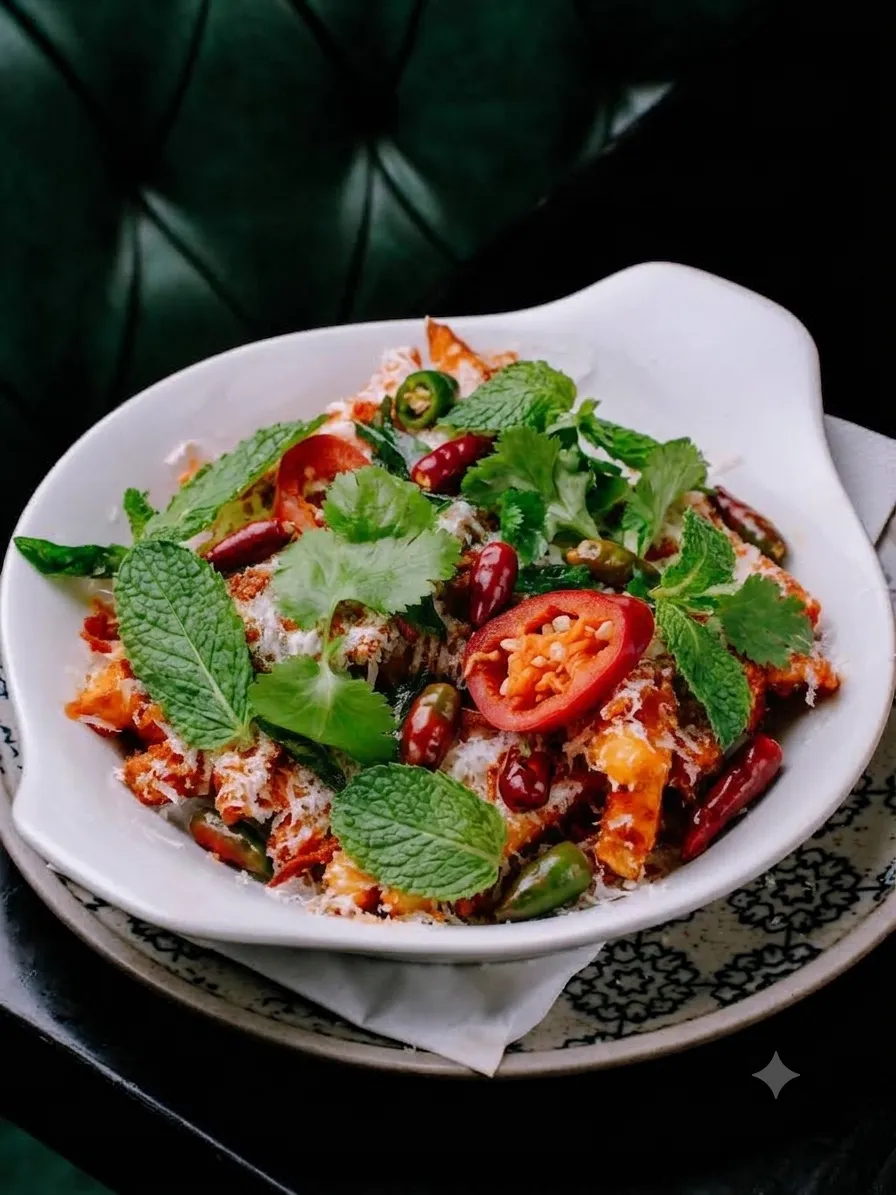
If there’s one thing that defines today’s culinary landscape, it’s the unapologetic embrace of bold, unexpected flavors. Spices and condiments are no longer relegated to the sidelines—they’re taking center stage, adding layers of complexity and heat to dishes around the world. From the smoky depth of Mexican chipotle to the fiery kick of Sichuan peppercorns, these ingredients are pushing boundaries and redefining what it means to tantalize the taste buds.
One standout trend is the global popularity of chili oils and pastes. Once confined to specific regions, these fiery condiments are now found in kitchens worldwide, drizzled over noodles, soups, and even desserts. Sichuan cuisine, with its signature “mala” (numbing and spicy) sensation, has particularly captured the world’s imagination, inspiring everything from mala-infused chocolates to spicy latte drinks. Meanwhile, Middle Eastern za’atar and harissa are being sprinkled over avocado toast, and Japanese yuzu kosho is adding a citrusy heat to grilled meats and seafood.
Fermented chili pastes like Korean gochujang and Thai nam prik pao are also gaining traction for their ability to add umami, sweetness, and heat in a single spoonful. These pastes are incredibly versatile, serving as the base for marinades, dipping sauces, or even a quick stir-fry sauce. The key to mastering these bold flavors is balance—pairing them with cooling elements like yogurt, cucumber, or coconut milk to create a harmonious contrast.
The Sweet Side: Innovative Desserts and Indulgences
Dessert is no longer an afterthought—it’s a playground for innovation, where classic techniques meet cutting-edge creativity. Modern pastry chefs are reimagining sweets with an emphasis on texture, temperature, and unexpected ingredients. The result? Desserts that are as visually stunning as they are delicious.
One trend making waves is the “deconstructed dessert,” where traditional components are served separately to highlight their individual qualities. For example, a classic tiramisu might be presented as a trio of coffee-infused cream, cocoa dust, and crisp ladyfingers, allowing diners to mix and match flavors to their liking. Another approach is the “dessert charcuterie board,” where an assortment of sweet bites—think macarons, chocolate truffles, fruit compotes, and artisanal caramels—are arranged for sharing, encouraging a communal and exploratory dining experience.
Plant-based desserts are also evolving, with chefs using aquafaba (chickpea water) to create fluffy meringues, coconut cream to whip up rich mousses, and beet sugar to caramelize into decadent sauces. Fermented sweets, like kombucha-infused gummies or kefir-based panna cotta, are adding a tangy twist to traditional treats. Even savory desserts are having a moment, with dishes like miso caramel tarts or blue cheese and honey cheesecakes challenging our expectations of what belongs on the dessert plate.
Sustainability as a Star Ingredient
As awareness of climate change and environmental degradation grows, sustainability has become a non-negotiable aspect of modern cuisine. Chefs and food producers are leading the charge by adopting practices that minimize waste, reduce carbon footprints, and prioritize ethical sourcing. This isn’t just a trend—it’s a necessary evolution for the culinary world to thrive in the decades to come.
A key component of sustainable dining is the reduction of food waste. Restaurants are implementing strategies like “ugly produce” programs, which use imperfect fruits and vegetables that would otherwise be discarded. Chefs are also utilizing nose-to-tail and root-to-stem cooking, ensuring that every part of an ingredient is put to good use. Even the water used in cooking is being reimagined—some establishments are installing systems to capture and reuse water from steaming vegetables or washing produce.
The rise of lab-grown meat and seafood is another frontier in sustainable dining. While still in the early stages, these products promise to deliver the taste and texture of meat without the environmental toll of traditional livestock farming. Similarly, alternative seafood—made from ingredients like algae, pea protein, or mycoprotein—is providing sustainable options for sushi, fish tacos, and more. These innovations are particularly important for preserving marine ecosystems, which are under threat from overfishing and pollution.
Sustainability also extends to packaging and service. The decline of single-use plastics, the rise of compostable and edible packaging, and the normalization of reusable containers are all reshaping the way food is served and consumed. Even the concept of “ugly” packaging—designed to minimize waste and maximize recyclability—is gaining traction in the food industry.
Conclusion: A Feast for the Future
The culinary landscape of today is a vibrant tapestry of flavors, techniques, and philosophies, each thread woven with intention and creativity. From the hyper-local farm-to-table movement to the global fusion of culinary traditions, from the plant-based revolution to the bold embrace of fermentation, the food we eat is more dynamic than ever before. Technology is enhancing our dining experiences, while mindfulness and sustainability remind us of the deeper connections between food, health, and the planet.
As we look to the future, one thing is clear: the kitchen is no longer just a place to prepare meals—it’s a laboratory, a canvas, and a stage for storytelling. Whether you’re a professional chef, a home cook, or simply someone who loves to eat, the opportunities to explore, innovate, and indulge are endless. So, grab your spoon, your spices, and your curiosity, and dive into the sizzling world of fresh flavors and trends that are shaping the future of food. After all, every meal is a chance to savor the present—and to anticipate the delicious possibilities of tomorrow.