Crafting Culinary Magic: Unveiling the Art and Innovation of Modern Catering Services

The Evolution of Modern Catering: From Tradition to Innovation
Catering services have undergone a remarkable transformation over the past few decades, evolving from simple meal delivery to a sophisticated industry that blends culinary artistry with cutting-edge innovation. Gone are the days when catering merely meant providing food for large gatherings; today, it is a dynamic field that prioritizes creativity, customization, and customer experience. The shift has been driven by changing consumer preferences, technological advancements, and a growing appreciation for gastronomic excellence. Modern catering services now cater to diverse dietary needs, cultural influences, and even sustainability concerns, making them an indispensable part of events ranging from intimate weddings to corporate galas.
The roots of modern catering can be traced back to ancient civilizations, where communal feasts and royal banquets were a symbol of power and hospitality. However, the commercialization of catering began in the 19th century, with the rise of hotels and restaurants offering off-premise dining services. Fast forward to the 21st century, and the industry has expanded to include everything from food trucks and pop-up restaurants to high-end bespoke catering for private clients. This evolution reflects broader societal changes, including the rise of food culture as a form of entertainment and the demand for experiential dining.
The Art of Modern Catering: Creativity Meets Technique
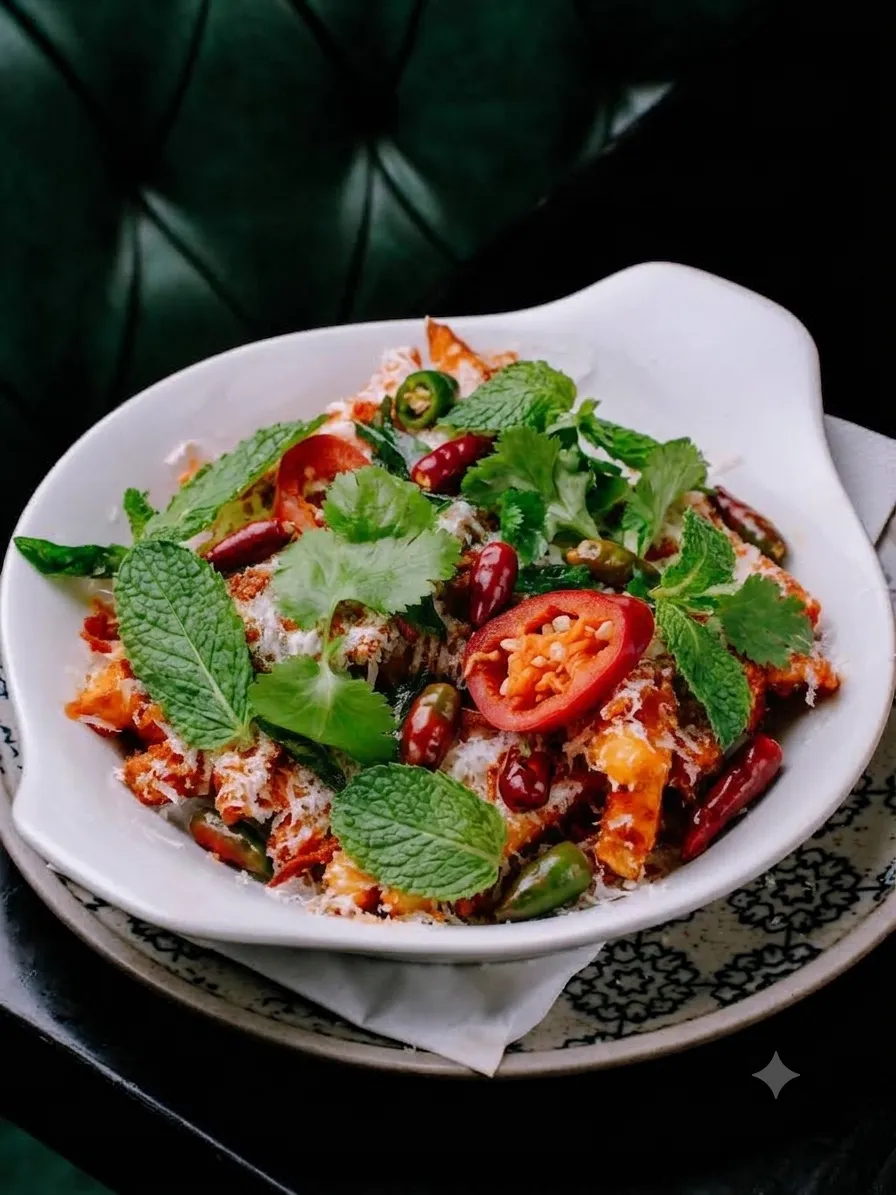
At its core, catering is an art form that requires a delicate balance between creativity and technical skill. The best caterers are not just chefs; they are storytellers who craft menus that evoke emotions and create lasting memories. Whether it’s a rustic farm-to-table wedding or a futuristic molecular gastronomy experience, the goal is to surprise and delight guests while ensuring every detail is executed flawlessly. This artistic approach is evident in the way modern caterers use seasonal ingredients, global flavors, and innovative presentation techniques to elevate their offerings.
One of the most exciting trends in modern catering is the fusion of culinary traditions. Chefs today draw inspiration from diverse cultures, blending techniques and ingredients to create unique, hybrid dishes that tell a story. For example, a caterer might combine Japanese precision with Mediterranean flavors, or infuse Indian spices into classic French pastries. This cross-cultural creativity not only expands the palate but also reflects the increasingly interconnected world we live in. Additionally, the rise of plant-based and sustainable cooking has pushed caterers to rethink their menus, incorporating more vegetables, grains, and alternative proteins without compromising on taste or presentation.
The Role of Technology in Modern Catering
Technology has become a game-changer in the catering industry, streamlining operations and enhancing the guest experience. From online ordering platforms to advanced kitchen equipment, digital tools have made it easier for caterers to manage logistics, customize orders, and even predict trends. One of the most significant innovations is the use of data analytics to understand customer preferences and optimize menu offerings. For instance, caterers can track which dishes are most popular at different events and adjust their menus accordingly, reducing waste and increasing customer satisfaction.
Another technological advancement is the rise of smart kitchen appliances, such as sous vide machines, high-speed blenders, and precision scales, which allow chefs to achieve consistent results with minimal effort. Virtual reality (VR) and augmented reality (AR) are also making their way into the industry, offering immersive experiences for both caterers and clients. For example, VR can be used to visualize event layouts or showcase 3D renderings of dish presentations before they are prepared. Meanwhile, AR can enhance menu descriptions by providing interactive elements, such as videos or animations, that tell the story behind each dish.
The integration of social media and digital marketing has also transformed how catering businesses engage with their audience. Platforms like Instagram and TikTok have become essential tools for showcasing culinary creations, behind-the-scenes content, and client testimonials. Many caterers now collaborate with food influencers and photographers to build their brand and attract new customers. Additionally, online reviews and ratings play a crucial role in shaping a caterer’s reputation, making customer feedback more important than ever.
Sustainability: The Heart of Modern Catering
As environmental concerns take center stage, sustainability has become a cornerstone of modern catering. Clients are increasingly seeking out caterers who prioritize eco-friendly practices, from sourcing locally grown produce to minimizing food waste and using biodegradable packaging. The farm-to-table movement, which emphasizes the use of fresh, seasonal ingredients, has gained significant traction, as it reduces the carbon footprint associated with food transportation and supports local farmers.
Waste reduction is another critical aspect of sustainable catering. Many caterers now implement strategies such as portion control, composting, and donating excess food to charities. Some even partner with food rescue organizations to ensure that perfectly good food doesn’t end up in landfills. Innovative techniques like root-to-stem cooking, where every part of the ingredient is used, further contribute to sustainability efforts. For example, vegetable peels can be turned into crisps, or herb stems can be blended into sauces, ensuring nothing goes to waste.
The choice of ingredients also plays a significant role in sustainability. Caterers are increasingly opting for plant-based proteins, lab-grown meats, and sustainably sourced seafood to reduce the environmental impact of their menus. Additionally, many catering companies are adopting zero-waste policies, which involve carefully planning menus to avoid overproduction and using reusable or compostable serving ware. These practices not only benefit the environment but also appeal to eco-conscious clients who want their events to align with their values.
Customization and Personalization: Crafting Unique Experiences
In today’s catering landscape, one-size-fits-all solutions are a thing of the past. Clients expect personalized experiences that reflect their tastes, preferences, and the unique theme of their event. Modern caterers excel in creating bespoke menus that cater to individual dietary needs, cultural traditions, and even personal anecdotes. Whether it’s a vegan wedding, a gluten-free corporate luncheon, or a halal-friendly gala, the ability to customize menus has become a key differentiator in the industry.
Personalization extends beyond the menu to every aspect of the dining experience. Caterers work closely with clients to design interactive food stations, where guests can customize their meals in real time. For example, a taco bar, sushi rolling station, or build-your-own-pizza setup allows guests to tailor their dishes to their liking, adding an element of fun and engagement. Similarly, themed menus that tie into the event’s narrative—such as a retro 1950s diner for a vintage-themed party or a tropical paradise for a destination wedding—create memorable moments that guests will cherish.
Another trend gaining popularity is the concept of “experience-driven” catering, where the food itself becomes part of the entertainment. This could include live cooking demonstrations, chef’s tables where guests dine alongside the culinary team, or even molecular gastronomy performances that transform dishes into edible art. These immersive experiences not only elevate the event but also showcase the caterer’s expertise and creativity. Clients today are looking for more than just a meal; they want a story, an adventure, and a connection to the food they’re enjoying.
Challenges and Opportunities in the Catering Industry
While modern catering offers endless possibilities, it also comes with its fair share of challenges. One of the most pressing issues is the rising cost of ingredients, which can squeeze profit margins and force caterers to adjust their pricing strategies. Supply chain disruptions, climate change, and geopolitical factors further complicate sourcing, making it essential for caterers to build strong relationships with local suppliers and diversify their ingredient portfolio. Additionally, labor shortages in the hospitality industry have made it difficult for caterers to find skilled staff, leading to increased competition for talent and higher wages.
Another challenge is the ever-changing landscape of dietary preferences. With more people adopting vegan, gluten-free, keto, and other specialized diets, caterers must constantly update their menus and train their staff to accommodate these needs. Failure to do so can result in dissatisfied clients and negative reviews. However, this challenge also presents an opportunity for caterers to differentiate themselves by specializing in niche dietary requirements. For example, a caterer who focuses on allergen-free meals can attract clients with specific health concerns, while a business that excels in plant-based cuisine can appeal to eco-conscious and vegetarian clients.
Despite these challenges, the future of catering looks bright, thanks to a growing demand for unique and high-quality dining experiences. The rise of the experience economy means that clients are willing to pay a premium for catering services that offer more than just food—they want an unforgettable event. This shift has opened doors for caterers to innovate, whether by incorporating virtual reality into their services, offering subscription-based meal plans, or partnering with local breweries and wineries to create curated beverage pairings. By staying ahead of trends and embracing technology, caterers can position themselves as leaders in the industry and capitalize on new opportunities.
The Future of Catering: Trends to Watch
As the catering industry continues to evolve, several emerging trends are poised to shape its future. One of the most exciting developments is the integration of artificial intelligence (AI) and machine learning into catering operations. AI can be used to analyze customer data, predict trends, and even assist in menu development by suggesting flavor combinations based on popular preferences. Additionally, AI-powered chatbots can handle customer inquiries and streamline the ordering process, freeing up staff to focus on culinary creativity.
Another trend to watch is the growing interest in “hyper-local” catering, where ingredients are sourced from within a 50-mile radius of the event location. This approach not only supports local economies but also ensures the freshest possible produce while reducing transportation emissions. Hyper-local catering can also be tied to specific regions, allowing caterers to highlight indigenous ingredients and traditional recipes. For example, a coastal caterer might feature freshly caught seafood, while a mountain-based operation could focus on foraged herbs and wild game.
The concept of “slow catering” is also gaining traction, inspired by the slow food movement. This approach emphasizes the use of traditional cooking methods, heirloom ingredients, and unhurried preparation to create deeply flavorful dishes. Slow catering appeals to clients who value authenticity and craftsmanship over convenience, offering a refreshing alternative to mass-produced catering services. Similarly, the “circular catering” model is gaining attention for its focus on sustainability and waste reduction. This model involves designing menus and processes with the entire lifecycle of ingredients in mind, from sourcing to disposal, ensuring that nothing is wasted and everything is repurposed.
Preparing for the Next Generation of Catering
For caterers looking to thrive in the future, adaptability and innovation will be key. Investing in employee training to keep up with the latest culinary techniques and dietary trends is essential, as is staying informed about emerging technologies and consumer preferences. Building a strong brand identity that resonates with modern audiences—whether through sustainability efforts, cultural inclusivity, or technological integration—will also be crucial. Additionally, caterers should consider diversifying their offerings to include services like event planning, décor design, and entertainment coordination, creating a one-stop-shop experience for clients.
The future of catering is not just about food; it’s about creating holistic experiences that engage all the senses and leave a lasting impression. As clients become more discerning and events become more complex, caterers who can combine artistry, innovation, and sustainability will stand out in a crowded market. By embracing change and continuously pushing the boundaries of what’s possible, the catering industry is poised to redefine the way we celebrate, connect, and indulge.
Conclusion: Why Modern Catering is More Than Just Food
Modern catering is a dynamic fusion of culinary artistry, technological innovation, and sustainable practices. It’s no longer just about feeding a crowd; it’s about crafting an experience that delights the senses, tells a story, and leaves guests talking for years to come. From the fusion of global flavors to the use of AI-driven personalization, the industry is constantly evolving to meet the demands of a new generation of clients who crave uniqueness and authenticity. Sustainability has also become a non-negotiable aspect of modern catering, with eco-conscious practices shaping everything from ingredient sourcing to waste management.
For those considering a career in catering or planning an event, the key takeaway is to prioritize collaboration, creativity, and adaptability. The best caterers are those who listen to their clients, push the boundaries of traditional cuisine, and remain committed to delivering exceptional service. Whether you’re hosting an intimate dinner party or a grand celebration, partnering with a forward-thinking caterer can transform your event from ordinary to extraordinary. In a world where experiences matter more than ever, modern catering is not just a service—it’s an art form that brings people together, one delicious bite at a time.