Creative Culinary Journeys: Elevating Your Events with Bespoke Catering
Introduction & Background
In today’s fast-paced world, hosting a memorable event goes beyond just the venue or the guest list. What truly elevates an experience is the food served, and how it aligns with the occasion, theme, and expectations of attendees. Bespoke catering has emerged as a game-changer for individuals and organizations looking to create unique, personalized culinary journeys that leave a lasting impression. Whether it is a corporate gala, a wedding celebration, or an intimate gathering, custom-tailored menus and services ensure that every bite tells a story. This approach transforms ordinary events into extraordinary ones, blending creativity with culinary excellence to meet the highest standards of taste and presentation.
Concept & Overview
Bespoke catering refers to the art of crafting tailor-made food experiences that are specifically designed to match the vision, preferences, and requirements of each client. Unlike traditional catering, which often relies on standard menus and pre-set offerings, bespoke services prioritize personalization, innovation, and attention to detail. The core idea is to collaborate closely with clients, understand their unique needs, and translate those into a culinary experience that reflects their style, culture, and objectives. From dietary restrictions and ingredient sourcing to thematic presentations and interactive dining concepts, every aspect is carefully curated to create a cohesive and unforgettable event.
At its heart, bespoke catering is about storytelling through food. It involves more than just cooking, as it requires creativity, flexibility, and a deep understanding of the event’s purpose. Whether the goal is to impress clients during a business dinner, celebrate a milestone with loved ones, or introduce guests to new flavors and textures, the process begins with a consultation to align expectations and explore possibilities. This level of customization ensures that every dish served is not only delicious but also meaningful, enhancing the overall ambiance and guest experience.
Key Features & Highlights
- Personalized Menus: Every menu is uniquely designed based on the client’s preferences, dietary needs, and cultural influences. Whether it includes gourmet appetizers, multi-course dinners, or themed food stations, the options are virtually limitless.
- Ingredient Sourcing: Bespoke caterers prioritize high-quality, locally sourced, and seasonal ingredients to ensure freshness and flavor. Special requests for organic, sustainable, or exotic produce can be accommodated with ease.
- Interactive Dining Experiences: From live cooking stations and chef collaborations to food tastings and build-your-own dishes, interactive elements engage guests and add a dynamic touch to the event.
- Dietary Inclusivity: With an increasing focus on dietary restrictions, bespoke catering offers gluten-free, vegan, dairy-free, and other specialized menus to ensure all guests are catered for without compromising on taste or presentation.
- Themed Culinary Concepts: Whether it is a Mediterranean feast, an Asian fusion spread, or a rustic farm-to-table experience, themed menus can be designed to match the event’s aesthetic and ambiance.
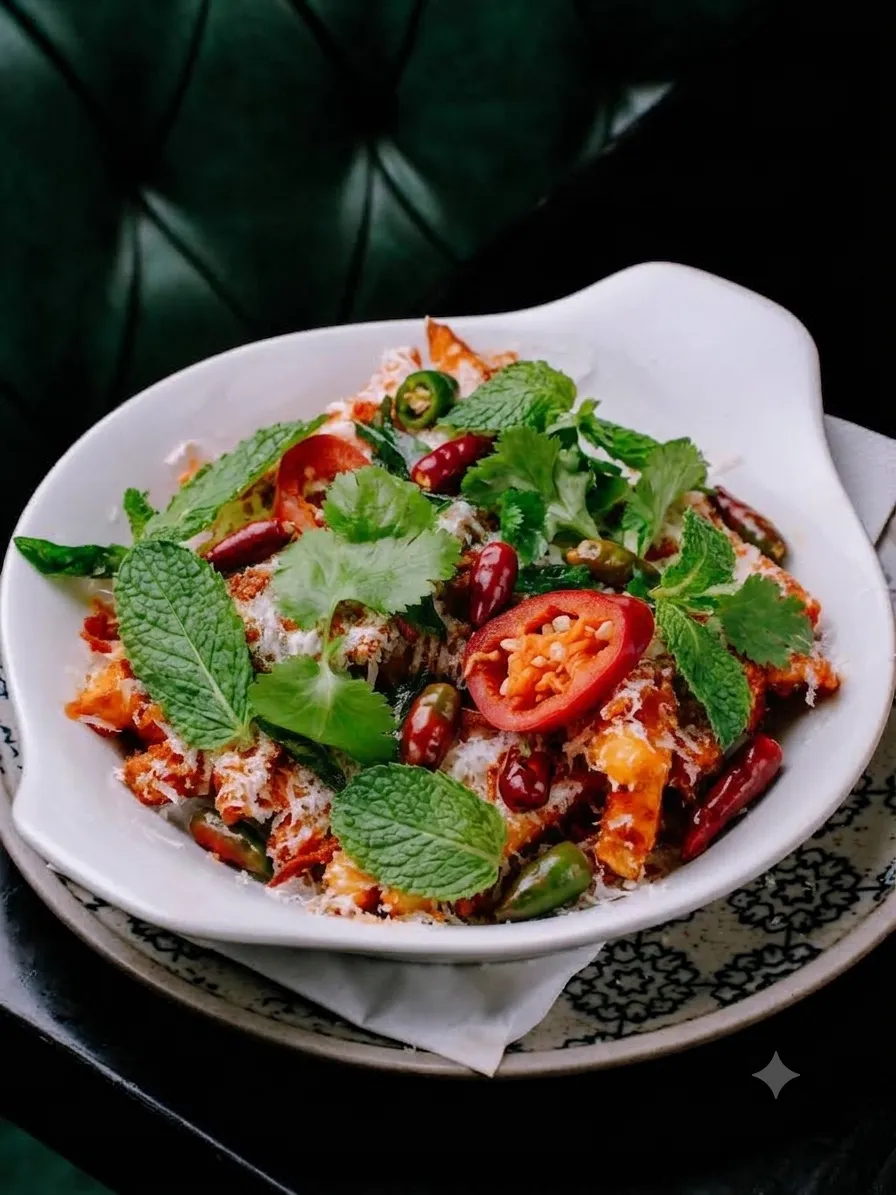
- Professional Presentation: Presentation is key in bespoke catering. From elegant plating and artistic garnishes to themed serving ware and table settings, every detail is thoughtfully arranged to create a visually stunning experience.
- Seamless Service: Bespoke caterers provide end-to-end service, including setup, staffing, and cleanup. Their teams are trained to deliver impeccable service that aligns with the event’s flow and guest expectations.
- Sustainability Focus: Many bespoke caterers emphasize eco-friendly practices such as compostable serving materials, minimal food waste management, and partnerships with local farmers to reduce their carbon footprint.
Frequently Asked Questions / Pros & Cons
What is the difference between bespoke catering and traditional catering?
Bespoke catering focuses on creating a unique, tailor-made culinary experience for each client, with menus and services designed specifically to meet their vision and preferences. Traditional catering, on the other hand, typically offers pre-set menus and standard services that may not be as personalized or flexible. Bespoke catering involves close collaboration with the client throughout the planning process to ensure the final outcome exceeds expectations.
How far in advance should I book a bespoke caterer for my event?
Booking a bespoke caterer well in advance is highly recommended, especially for large or high-profile events. Ideally, you should secure your caterer at least 3 to 6 months before the event date. This allows ample time for menu planning, ingredient sourcing, and any necessary customizations. For peak seasons such as holidays or wedding seasons, booking 6 to 12 months ahead is often necessary to ensure availability.
What types of events are best suited for bespoke catering?
Bespoke catering is ideal for a wide range of events, including weddings, corporate galas, milestone birthdays, anniversaries, charity fundraisers, product launches, and intimate dinners. Essentially, any event where food plays a significant role in the guest experience can benefit from bespoke catering. The flexibility and creativity offered make it particularly suitable for events with unique themes or specific dietary requirements.
What are the main advantages of choosing bespoke catering?
- Uniqueness: Your event will feature a one-of-a-kind culinary experience that reflects your personality or brand.
- Flexibility: You can tailor every aspect of the menu and service to suit your preferences and needs.
- Quality: High-quality ingredients and expert preparation ensure a superior dining experience.
- Guest Satisfaction: Personalized menus and attentive service enhance the overall guest experience, leaving a positive and lasting impression.
- Stress Reduction: Professional caterers handle all aspects of food preparation and service, allowing you to focus on other event details.
Are there any drawbacks to bespoke catering?
While bespoke catering offers numerous benefits, there are a few potential drawbacks to consider. The primary concern is the cost, as personalized menus and premium ingredients often come at a higher price compared to traditional catering options. Additionally, the planning process can be more time-consuming, as it requires detailed consultations and customization. There may also be limitations in terms of availability, especially during peak event seasons. However, the investment in bespoke catering is often justified by the exceptional quality and uniqueness of the experience it provides.
Practical Guidance & Solutions
Choosing the right bespoke caterer for your event begins with thorough research and planning. Start by identifying caterers who specialize in the type of event you are hosting and have a portfolio of similar projects. Schedule consultations to discuss your vision, preferences, and any specific requirements such as dietary restrictions or cultural considerations. Ask for samples of their previous work, including menus, presentations, and client testimonials, to gauge their creativity and quality.
When planning your menu, consider the theme and atmosphere of your event. A formal gala may call for elegant plated dishes, while a casual outdoor gathering might be better suited to buffet-style or food truck options. Collaborate with your caterer to select ingredients that are in season and locally sourced for the freshest flavors. Don’t hesitate to incorporate interactive elements, such as live cooking stations or DIY food bars, to engage your guests and add a memorable touch to the experience.
Budgeting is another critical aspect of bespoke catering. While costs can vary widely depending on the complexity of the menu and the level of service, it is important to establish a clear budget early in the planning process. Work with your caterer to prioritize elements that align with your budget while still delivering a high-quality experience. For example, you might opt for a smaller number of courses or fewer interactive stations to manage expenses without compromising on taste or presentation.
Finally, ensure that all logistical details are clearly communicated to your caterer, including the event timeline, venue layout, and any specific requirements for equipment or staffing. A well-organized event plan helps your caterer deliver seamless service and ensures that every aspect of the culinary journey aligns with your vision. By taking a proactive and collaborative approach, you can create an event that is not only visually stunning but also a delight for the senses.
Conclusion
Bespoke catering offers a transformative way to elevate your events, turning them into extraordinary culinary journeys that captivate the senses and create lasting memories. By prioritizing personalization, creativity, and attention to detail, this approach ensures that every dish served is a reflection of your unique style and vision. Whether you are celebrating a special occasion or hosting a corporate event, bespoke catering provides the flexibility and expertise needed to craft an experience that exceeds expectations. Investing in bespoke catering is not just about the food, but about creating an immersive and unforgettable experience that resonates with your guests long after the event concludes. As you plan your next gathering, consider the endless possibilities that bespoke catering brings, and prepare to embark on a culinary adventure that will leave a lasting impression.