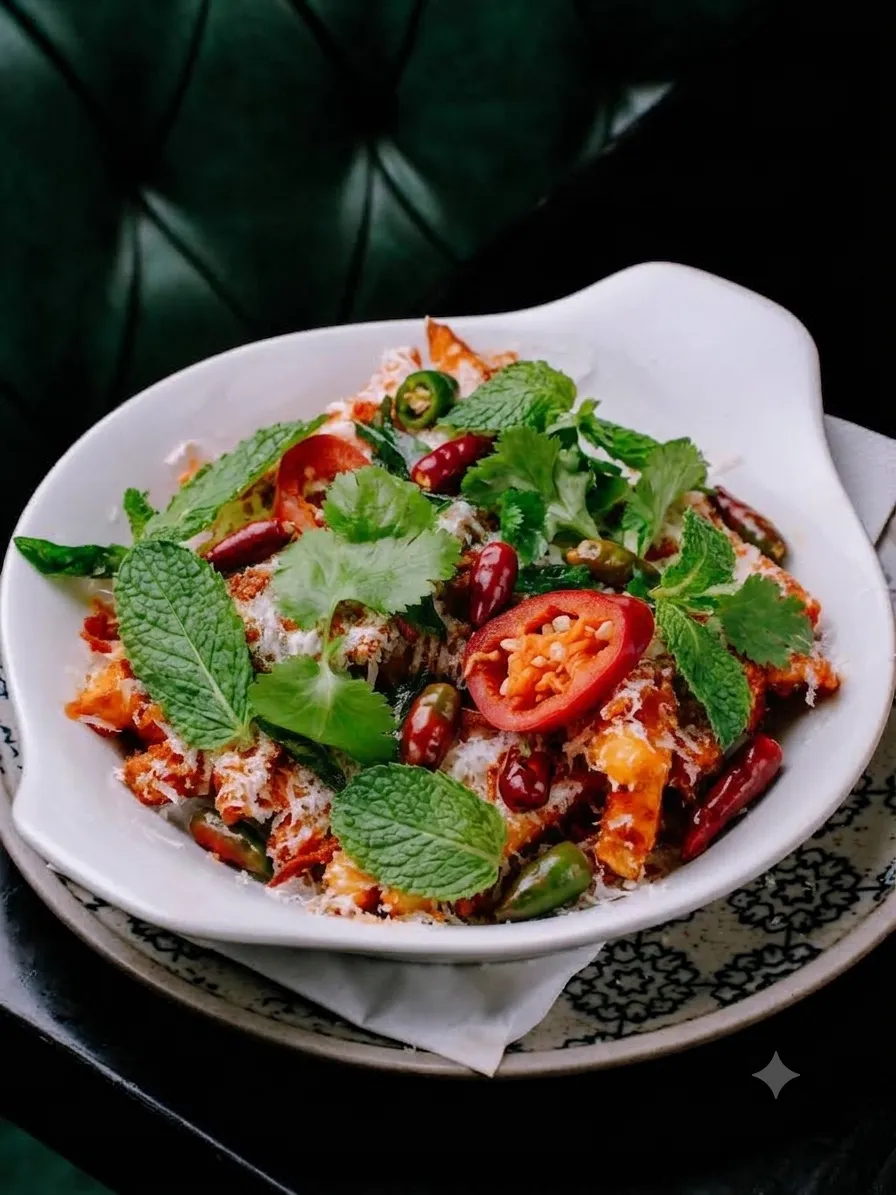
Flavor Frontiers: The Latest Craze and Controversies in Culinary News

The Ever-Evolving World of Culinary Trends
The culinary world is a dynamic landscape where flavors clash, innovations emerge, and controversies spark debates. From the rise of plant-based meats to the resurgence of ancient grains, every year brings new trends that captivate food enthusiasts and challenge traditional norms. As global palates expand and sustainability takes center stage, the latest culinary news reflects a fascinating intersection of tradition, technology, and taste. Whether it’s the viral TikTok recipes sweeping the internet or the ethical dilemmas surrounding food sourcing, the flavor frontiers of today are as much about curiosity as they are about controversy.
Plant-Based Proteins: Redefining the Meat Experience
The Rise of Lab-Grown and Hybrid Meats
One of the most significant shifts in recent years has been the explosion of plant-based alternatives to meat. Brands like Beyond Meat and Impossible Foods have revolutionized the market with their meat-like textures and flavors, designed to appeal to both vegans and carnivores alike. However, the latest craze extends beyond traditional plant-based burgers. Lab-grown meat, produced through cellular agriculture, is edging closer to commercial viability, promising a future where meat can be enjoyed without the environmental and ethical concerns of traditional livestock farming.
Hybrid products, which blend plant-based ingredients with small amounts of real meat, are also gaining traction. These innovations cater to consumers who want to reduce their meat consumption without sacrificing the taste and experience of a traditional meal. The debate, however, remains fierce: purists argue that hybrid products dilute the integrity of both plant-based and meat-based diets, while advocates see them as a pragmatic step toward a more sustainable food system.
Controversies and Challenges
- Health Concerns: Critics argue that heavily processed plant-based meats are high in sodium and additives, which may not align with the health-conscious goals of many consumers.
- Environmental Impact: While plant-based meats are generally more sustainable than traditional livestock, the production of ingredients like coconut oil and pea protein has raised questions about deforestation and water usage.
- Taste and Texture: Despite advancements, many consumers still find plant-based alternatives lacking in the depth of flavor and mouthfeel of real meat.
Fermentation Frenzy: The Gut-Health Revolution
The Revival of Ancient Fermented Foods
Fermentation is no longer just a preservation technique—it’s a cornerstone of modern culinary innovation. From kimchi to kefir, fermented foods have surged in popularity due to their probiotic benefits and unique flavors. Restaurants and home cooks alike are experimenting with fermented ingredients, incorporating them into everything from cocktails to desserts. The trend has even extended to beverages, with kombucha and jun becoming staples in cafes and supermarkets.
The revival of ancient fermented foods like miso, tempeh, and natto reflects a broader cultural shift toward embracing foods that support gut health. Probiotics, once a niche health supplement, are now a mainstream marketing point for products ranging from yogurt to chocolate. As consumers become more aware of the gut-brain connection, the demand for fermented foods is only expected to grow.
Controversies and Ethical Dilemmas
- Safety Concerns: Improper fermentation can lead to harmful bacteria like botulism, raising questions about the accessibility of DIY fermentation for home cooks.
- Cultural Appropriation: Some critics argue that the Western world’s embrace of fermented foods like kimchi and miso overlooks their cultural significance and reduces them to mere health trends.
- Commercialization: The mass production of fermented foods has led to debates about whether probiotic supplements and processed fermented products retain the same health benefits as traditionally made versions.
Sustainability on the Plate: The Future of Ethical Eating
The Shift Toward Local and Regenerative Agriculture
Sustainability has become a driving force in culinary innovation, with chefs and food producers prioritizing local sourcing, regenerative farming, and zero-waste cooking. The farm-to-table movement, once a niche concept, is now a staple in restaurants worldwide. Meanwhile, regenerative agriculture—practices that restore soil health and biodiversity—is gaining momentum as a solution to the environmental crises posed by industrial farming.
Food waste reduction is another critical focus. Techniques like nose-to-tail cooking, root-to-stem utilization, and upcycling ingredients are becoming more mainstream. Chefs are transforming vegetable peels into crisps, using fish bones for broths, and repurposing stale bread into innovative dishes. These practices not only minimize waste but also challenge the notion of what constitutes “second-rate” ingredients.
Controversies and Greenwashing
- Certification Confusion: Terms like “organic,” “grass-fed,” and “non-GMO” are often used interchangeably, leading to consumer confusion about what truly constitutes sustainable and ethical food.
- Carbon Footprint of “Local”:strong> The idea that local food is always more sustainable is debatable. In some cases, importing certain foods from regions with ideal growing conditions may have a lower carbon footprint than producing them locally in less favorable climates.
- Accessibility: Sustainability-focused foods often come with a premium price tag, making them inaccessible to low-income communities and reinforcing inequality in the food system.
The Great Debate: Fusion vs. Tradition
When Culinary Cultures Collide
Fusion cuisine has long been a staple in the culinary world, but recent years have seen it evolve into something more daring and experimental. Chefs are blending ingredients and techniques from different cultures in ways that challenge conventional expectations. Dishes like sushi burritos, ramen tacos, and cronuts (croissant-donut hybrids) have sparked both delight and controversy. While some critics dismiss fusion as gimmicky, others argue that it reflects the increasingly interconnected nature of global cuisine.
The rise of social media has amplified this trend, with viral dishes gaining overnight fame—or infamy. Platforms like Instagram and TikTok have turned food into a visual spectacle, where novelty often trumps tradition. However, this has also led to backlash from purists who argue that fusion cuisine dilutes the authenticity of traditional dishes.
Cultural Sensitivity and Appropriation
- Who Gets to Define Authenticity? As fusion cuisine becomes more mainstream, questions arise about who has the authority to reinterpret traditional dishes. Is it cultural appreciation or appropriation when a non-native chef creates a dish inspired by another culture?
- Commercialization of Culture: The trend of “global” or “world” cuisine in fast-casual restaurants often strips dishes of their cultural significance, reducing them to trendy menu items.
- Legal Battles: Some traditional dishes, like Italian pizza or French baguettes, are protected by geographical indications, sparking legal disputes when other countries attempt to replicate them.
The Road Ahead: What’s Next for Culinary Innovation?
The culinary world shows no signs of slowing down. Emerging trends like personalized nutrition, AI-driven recipe development, and 3D-printed food are on the horizon, promising to redefine how we think about eating. However, with innovation comes responsibility. As consumers become more discerning, the demand for transparency, sustainability, and authenticity will shape the future of food.
Whether it’s the latest viral dessert or a controversial new food technology, one thing is certain: the world of culinary news will continue to be a battleground for flavor, ethics, and creativity. As we navigate these flavor frontiers, one question remains at the heart of the conversation—how will we balance innovation with tradition, convenience with conscience, and novelty with nourishment?