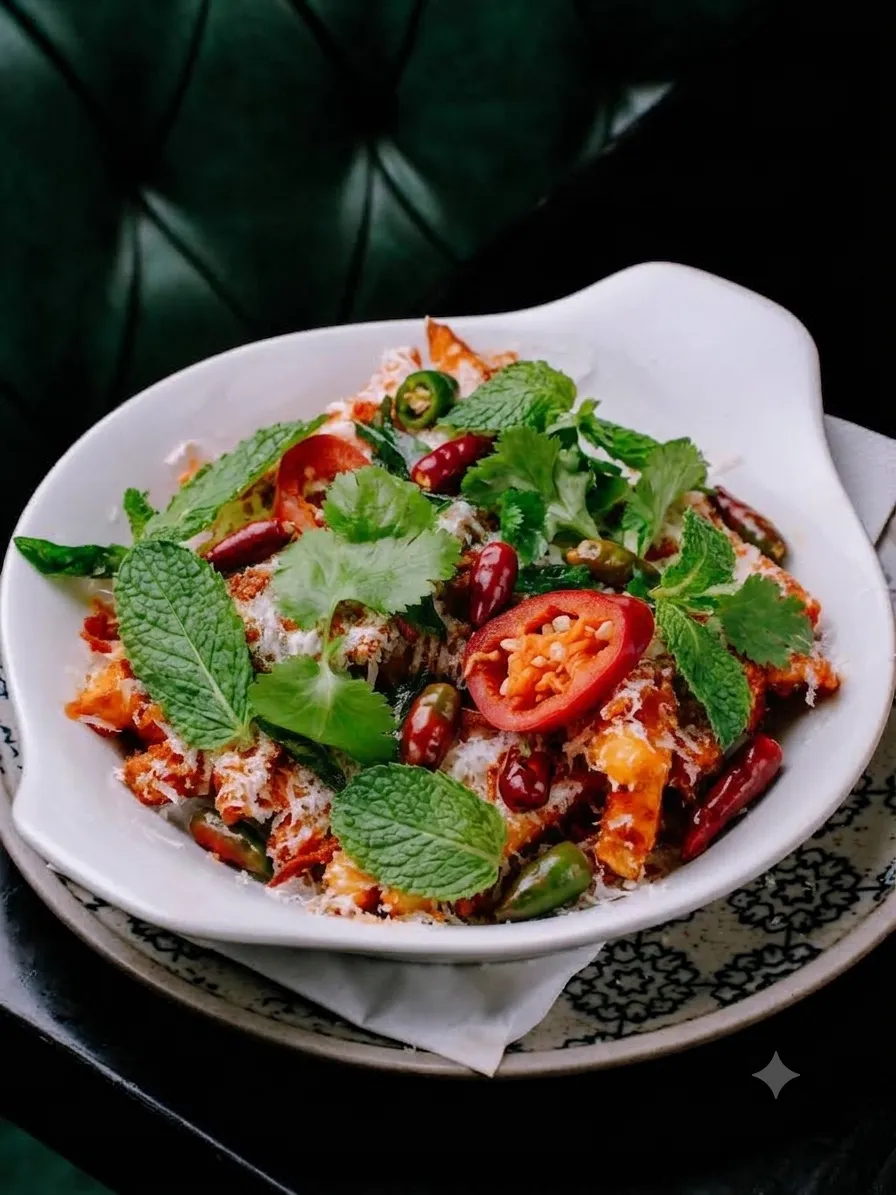
Order Up: How Online Food Ordering is Serving Up Convenience and Flavor

The Digital Feast: How Online Food Ordering is Changing the Game
Few innovations in the culinary world have reshaped dining habits as dramatically as online food ordering. What began as a niche convenience has exploded into a multi-billion-dollar industry, transforming how people discover, order, and enjoy meals. From busy professionals to families craving comfort food, the ability to browse menus, customize orders, and track deliveries in real time has made dining out—or staying in—easier than ever. This shift isn’t just about speed; it’s about personalization, accessibility, and the endless variety of flavors at our fingertips.
A Brief History of Digital Dining
The roots of online food ordering can be traced back to the late 1990s, when early pioneers like Pizza Hut launched basic websites for takeout orders. These were clunky, text-heavy pages with minimal functionality, but they planted the seed for what was to come. The real breakthrough arrived with the rise of smartphones and dedicated apps in the 2000s. Companies like Grubhub, DoorDash, and Uber Eats capitalized on this mobile revolution, turning food delivery from a luxury into an on-demand service. Today, the industry is valued at over $300 billion globally, with projections suggesting it will continue growing by double digits each year.
Why Online Ordering is the New Normal
The surge in popularity of food delivery apps isn’t just a passing trend—it’s a fundamental shift in consumer behavior. Several key factors have driven this transformation, making digital ordering a staple of modern life.
1. Unmatched Convenience
Imagine this: It’s 11 PM, you’re exhausted after a long day, and the idea of cooking or driving to a restaurant feels impossible. With a few taps on your phone, you can summon everything from a gourmet burger to a vegan sushi bowl to your doorstep. No reservations, no waiting in line, and no cleanup. The convenience of ordering food online has redefined what “getting dinner” means, especially for those juggling work, family, or social commitments.
- Time-Saving: Studies show that the average person spends over 40 minutes preparing and cooking a meal. Online ordering cuts that down to just a few minutes of browsing and checkout.
- 24/7 Accessibility: Restaurants and delivery platforms operate around the clock, catering to late-night cravings, midnight snack attacks, or early morning coffee runs.
- No Geographic Limits: Craving Thai food in a city where no brick-and-mortar Thai restaurant exists? Delivery apps often partner with local or regional kitchens to bring global flavors to your neighborhood.
2. A World of Flavors at Your Door
Gone are the days when your dinner options were limited to the handful of restaurants within a 10-minute drive. Online ordering has democratized food culture, giving diners access to cuisines from every corner of the globe. Whether you’re in the mood for authentic Neapolitan pizza, spicy Sichuan noodles, or a hearty Ethiopian stew, chances are there’s a restaurant just a click away that can deliver it.
This diversity isn’t just about geography—it’s also about customization. Most apps and restaurant websites allow you to tailor your order to dietary preferences, allergies, or personal tastes. Vegan? Gluten-free? Nut-free? No problem. The ability to filter menus and read ingredient lists has made dining safer and more enjoyable for people with specific dietary needs.
3. The Power of Reviews and Ratings
Before the internet, choosing a restaurant often relied on word-of-mouth or a cursory glance at a Yelp ad in the phone book. Today, diners have access to a wealth of information through reviews, ratings, and photos shared by previous customers. This transparency has raised the bar for restaurants, pushing them to maintain high standards in food quality, service, and presentation.
For consumers, this means fewer unpleasant surprises. A quick scroll through a five-star review can confirm that a dish is worth ordering, while a photo of a beautifully plated meal can be just as enticing as the description itself. The social proof embedded in these platforms has turned ordering food into a more informed and confident decision.
The Tech Behind the Taste: How Online Ordering Works
Behind every seamless food delivery experience is a complex ecosystem of technology, logistics, and human effort. Understanding how this system operates can give you a new appreciation for the convenience at your fingertips.
1. The Ordering Platform
At the heart of online food ordering is the platform—whether it’s a restaurant’s website, a third-party app like DoorDash, or a hybrid model. These platforms serve as the digital storefront, displaying menus, prices, and promotions. They also handle payments, often integrating with digital wallets like Apple Pay or Google Pay for a frictionless checkout experience.
Many apps use algorithms to personalize recommendations based on your order history, location, or even the time of day. For example, if you frequently order breakfast burritos at 7 AM, the app might suggest similar items the next morning. Some platforms also offer subscription services, like Uber One or DoorDash DashPass, which provide free delivery or reduced fees for a monthly fee.
2. The Restaurant’s Role
While third-party delivery apps get most of the attention, restaurants play a critical role in the ecosystem. They’re responsible for updating their menus, managing inventory, and ensuring that orders are prepared accurately and promptly. Many restaurants have invested in dedicated point-of-sale (POS) systems that sync with their online ordering platforms, streamlining the process from kitchen to customer.
For brick-and-mortar restaurants, online ordering can be a double-edged sword. On one hand, it drives additional revenue and attracts new customers. On the other, it often comes with high commission fees charged by delivery apps, which can eat into profits. As a result, many restaurants are now balancing third-party orders with their own in-house delivery services or pickup options to maximize control over their operations.
3. The Delivery Network
The final piece of the puzzle is the delivery network, which includes the drivers, dispatchers, and logistics systems that ensure your food arrives hot and on time. Third-party apps like DoorDash and Uber Eats rely on a gig workforce of independent contractors who use their own vehicles to transport orders. These drivers are often the face of the delivery experience, and their professionalism—along with their ability to navigate traffic and weather—can make or break a customer’s satisfaction.
Some companies are experimenting with automation to improve efficiency. Robots, drones, and even autonomous vehicles are being tested for short-distance deliveries, particularly in urban areas. While these technologies are still in their infancy, they hint at a future where human drivers might become just one part of a larger, tech-driven delivery ecosystem.
The Flip Side: Challenges and Considerations
Despite its many benefits, the rise of online food ordering isn’t without its drawbacks. From environmental concerns to labor issues, the digital dining revolution has sparked debates about its long-term impact on society, the economy, and even our health.
1. The Environmental Cost
One of the most pressing criticisms of food delivery is its environmental footprint. The proliferation of single-use packaging—plastic containers, utensils, and bags—has contributed to the global waste crisis. A 2022 report by Deloitte found that food delivery generates approximately 37 million tons of plastic waste annually. While some companies are experimenting with biodegradable or reusable packaging, the scale of the problem remains daunting.
Additionally, the carbon emissions from delivery vehicles, especially in urban areas where traffic congestion is common, add to the environmental burden. Some cities are beginning to address this by implementing bike courier services or incentivizing electric vehicles for deliveries, but these solutions are still in their early stages.
2. Labor and Worker Rights
The gig economy that powers food delivery has been a source of both flexibility and controversy. Delivery drivers, often classified as independent contractors, lack the benefits and protections afforded to traditional employees, such as health insurance, paid leave, or guaranteed minimum wage. This has led to labor disputes and calls for reform in many countries.
Companies like DoorDash and Uber have faced criticism for their treatment of workers, including practices like deactivating drivers without warning or setting unrealistic performance metrics. In response, some platforms have introduced initiatives like healthcare subsidies or accident insurance, but advocates argue that these measures don’t go far enough to address systemic inequities.
3. Health and Portion Control
While online ordering offers convenience, it also presents challenges when it comes to nutrition. Studies have shown that people tend to order higher-calorie, less nutritious meals when using delivery apps compared to cooking at home. The ease of ordering fried foods, heavy pasta dishes, or oversized portions can contribute to unhealthy eating habits, especially when combined with sedentary lifestyles.
Some apps are taking steps to promote healthier options by highlighting low-calorie meals or partnering with nutritionists to curate balanced menus. However, the responsibility ultimately falls on the consumer to make mindful choices. Many delivery platforms now include calorie counts, ingredient lists, and allergen information, empowering diners to make informed decisions.
The Future of Food Ordering: What’s Next?
The online food ordering industry shows no signs of slowing down, and the next decade promises even more innovation. From AI-driven personalization to drone deliveries, the future of dining is set to be faster, smarter, and more interconnected than ever before.
1. Artificial Intelligence and Personalization
Artificial intelligence is poised to revolutionize how we order food. Imagine an app that not only remembers your favorite dishes but also predicts what you might crave based on your mood, the weather, or even your calendar. AI can analyze vast amounts of data to suggest meals, adjust prices dynamically, and even automate customer service through chatbots.
Some platforms are already experimenting with AI-powered features, such as DoorDash’s “Project Sky” in Japan, which uses machine learning to optimize delivery routes in real time. As AI becomes more sophisticated, it could transform online ordering from a transactional experience into a hyper-personalized one.
2. Drone and Autonomous Deliveries
The idea of a drone dropping off your dinner might sound like science fiction, but it’s already a reality in some parts of the world. Companies like Wing (owned by Alphabet) and Zipline have been testing drone deliveries for food and groceries, particularly in rural or hard-to-reach areas. In 2023, Wing became the first drone delivery service to operate commercially in the United States, serving customers in Texas.
Similarly, autonomous vehicles are being trialed by companies like Nuro and Starship for local deliveries. These small, self-driving robots or vehicles could reduce labor costs and carbon emissions while speeding up delivery times. While regulatory hurdles remain, the technology is advancing rapidly, and widespread adoption may not be far off.
3. The Rise of “Dark Kitchens”
Dark kitchens, also known as ghost kitchens or virtual kitchens, are commercial spaces dedicated solely to preparing food for delivery. These kitchens operate without a physical storefront, relying entirely on online orders to drive revenue. The model has gained traction as delivery apps prioritize restaurants that can fulfill orders quickly and efficiently.
For entrepreneurs, dark kitchens offer a low-risk way to test new food concepts without the overhead of a traditional restaurant. For established brands, they provide an opportunity to expand into new markets without the cost of opening a brick-and-mortar location. As demand for delivery continues to grow, dark kitchens are likely to become an even more prominent feature of the food industry landscape.
How to Make the Most of Online Food Ordering
Whether you’re a seasoned pro or a newcomer to the world of digital dining, there are ways to enhance your experience and ensure you’re getting the best value for your money. Here are some tips to help you navigate the world of online food ordering like a pro.
1. Choose the Right Platform
Not all food delivery apps are created equal. Some specialize in local restaurants, while others focus on national chains or international cuisines. Take the time to explore different platforms and compare their offerings, fees, and delivery times. Popular apps include:
- DoorDash: Known for its extensive selection of local restaurants and user-friendly interface.
- Uber Eats: Offers a seamless integration with Uber’s ride-hailing services and a strong presence in urban areas.
- Grubhub: One of the oldest platforms, with a focus on customer loyalty programs and restaurant partnerships.
- Postmates: Popular for its speed and wide variety of cuisines, including convenience store items.
- Local Apps: Many cities have their own delivery services, which may offer better rates or faster service for nearby restaurants.
2. Look for Deals and Loyalty Programs
Food delivery can be expensive, but there are plenty of ways to save money. Many apps offer first-time user discounts, promotional codes, or subscription services that provide free delivery or reduced fees. Some restaurants also partner with delivery platforms to offer exclusive deals, such as BOGO (buy one, get one free) promotions or combo meals.
Additionally, loyalty programs can add up over time. For example, DoorDash’s Dasher Rewards and Uber Eats’ Perks program offer points for every dollar spent, which can be redeemed for discounts or free delivery. If you order frequently, it’s worth signing up for these programs to maximize your savings.
3. Optimize Your Order for Value
Delivery fees, service charges, and tips can add up quickly, making an otherwise affordable meal quite expensive. To keep costs down, consider the following strategies:
- Order During Off-Peak Hours: Deliveries are often slower and more expensive during lunch and dinner rushes. Ordering during off-peak times, such as late-night or early morning, can result in faster service and lower fees.
- Bundle Your Order: If you’re ordering for a group or a family, bundling multiple items into one order can sometimes reduce delivery fees per item. Some apps also offer discounts for larger orders.
- Choose Pickup Over Delivery: If you’re nearby the restaurant, picking up your order can save you money on delivery fees and wait times. Many restaurants offer curbside pickup as a convenient alternative.
- Check for Minimum Order Requirements: Some delivery apps impose minimum order amounts, which can be frustrating if you’re only craving a snack. Be aware of these thresholds to avoid unexpected charges.
4. Support Local and Sustainable Businesses
While it’s tempting to order from the same chain restaurants every week, supporting local businesses can make a big difference. Many small, independent restaurants rely heavily on delivery orders to stay afloat, especially in the aftermath of the COVID-19 pandemic. By choosing local eateries, you’re not only enjoying fresh, unique flavors but also contributing to your community’s economy.
If sustainability is a priority for you, look for restaurants that use eco-friendly packaging or participate in food waste reduction programs. Some apps, like Too Good To Go, specialize in connecting customers with surplus food from local businesses at discounted prices, making it a win-win for your wallet and the planet.
Final Thoughts: A World of Flavor, Just a Click Away
Online food ordering has undeniably changed the way we eat, offering unparalleled convenience, variety, and accessibility. What started as a simple way to order pizza has evolved into a global industry worth hundreds of billions of dollars, reshaping the culinary landscape in the process. Whether you’re a busy professional, a foodie with adventurous tastes, or someone who just loves the occasional treat without the hassle, the digital dining revolution has something for everyone.
The future of food ordering promises even more innovation, from AI-driven personalization to drone deliveries and sustainable packaging. As technology continues to advance, the line between the digital and physical dining experiences will blur even further, creating a world where your next meal is always just a few taps away.
So the next time you’re staring blankly into your fridge at 9 PM, wondering what to eat, remember: the answer is just a phone call—or rather, a finger tap—away. Bon appétit, and happy ordering!