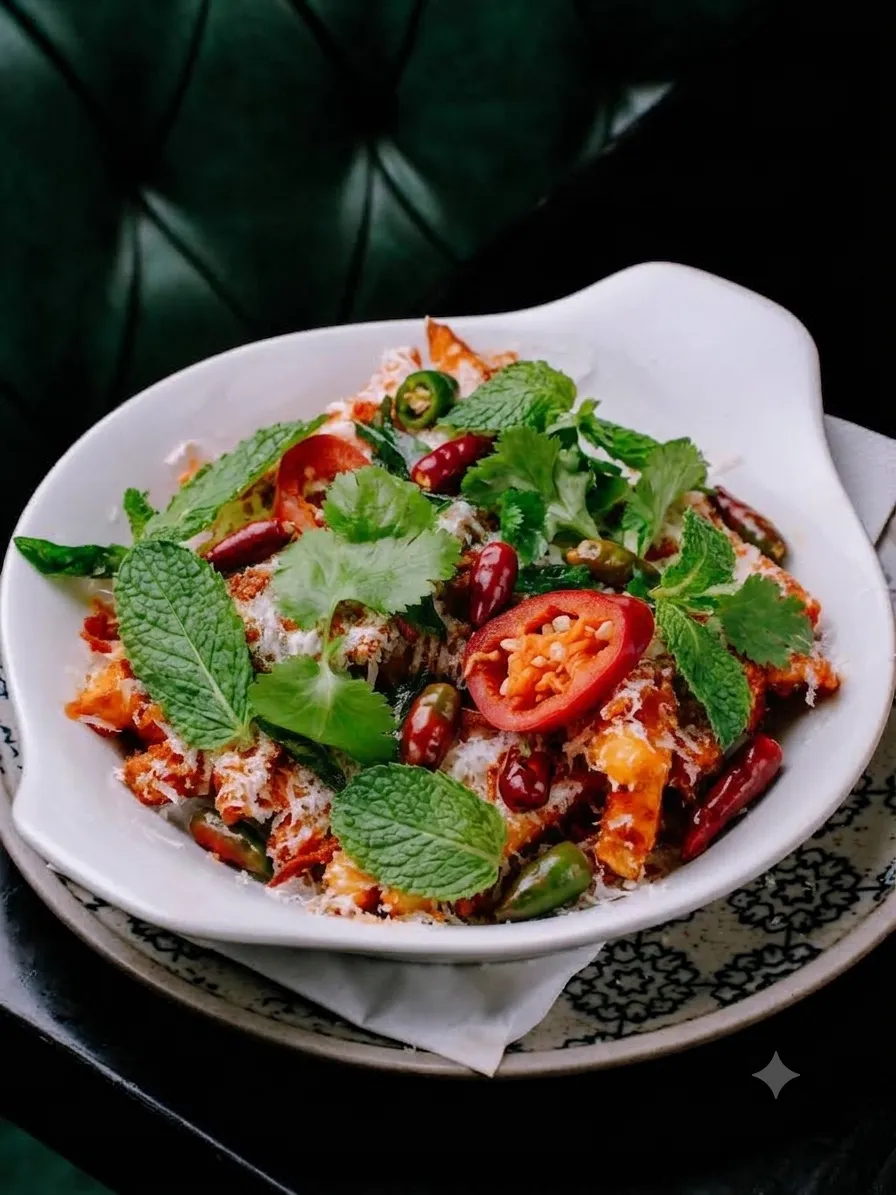
The Art of Spice: A Journey Through Global Flavors

The Art of Spice: A Journey Through Global Flavors
Spices have shaped civilizations, sparked trade routes, and defined culinary traditions across the globe. From the ancient spice trails of the Middle East to the bustling markets of Southeast Asia, these aromatic treasures have been prized not only for their ability to transform food but also for their medicinal, preservative, and even spiritual significance. Today, the art of spice is as much about precision and balance as it is about exploration and discovery. This journey through global flavors invites you to uncover the stories, techniques, and magic behind some of the world’s most beloved spices.
The Historical Significance of Spices
Spices have been a driving force in human history, often referred to as “black gold” due to their immense value. In ancient times, spices like cinnamon, pepper, and nutmeg were so sought after that they were traded across continents, fueling empires and fueling conflicts. The spice trade routes, such as the Silk Road and the maritime paths of the Spice Islands, connected distant cultures and facilitated the exchange of not just goods but also ideas, technologies, and cuisines. For centuries, spices were used not only to enhance flavor but also for their perceived healing properties, making them a cornerstone of both culinary and medicinal practices.
The demand for spices led to the Age of Exploration, as European powers sought direct access to spice-producing regions. Christopher Columbus’s voyage, for instance, was motivated by the desire to find a shorter route to the spice-rich lands of Asia. Even the Dutch East India Company, one of the first multinational corporations, was established primarily to monopolize the spice trade. This historical context highlights how deeply intertwined spices are with the broader narrative of human civilization.
The Science Behind Spice and Flavor
The Role of Aromatics and Chemical Compounds
At their core, spices are a complex blend of aromatic compounds that interact with our senses to create flavor. These compounds, such as terpenes in citrus peels, capsaicin in chili peppers, and eugenol in cloves, stimulate our taste buds and olfactory receptors in unique ways. The heat of a chili pepper, for example, is not a taste in the traditional sense but a response to the activation of pain receptors by capsaicin. Meanwhile, the sweet warmth of cinnamon comes from cinnamaldehyde, a compound that also has anti-inflammatory properties.
The way spices are processed—whether dried, toasted, ground, or fresh—can drastically alter their flavor profiles. Toasting whole spices like cumin or coriander seeds releases their essential oils, deepening their aroma and adding a layer of complexity to dishes. Fresh spices, such as ginger or galangal, offer a vibrant, zesty kick that dried versions cannot replicate. Understanding these nuances allows cooks to harness the full potential of spices in their cooking.
The Balance of Spice in Cuisine
Great spice usage is not about overpowering a dish but about creating harmony between flavors. Many global cuisines follow the principle of balance, where spices are used to complement rather than dominate. In Indian cooking, for example, a blend of spices like turmeric, cumin, and cardamom works together to create a symphony of flavors, while in Mexican cuisine, the trio of cumin, oregano, and chili powder forms the backbone of many dishes. The key lies in layering spices at different stages of cooking—blooming whole spices in hot oil to release their aroma, adding ground spices later to preserve their potency, and finishing with fresh herbs or a squeeze of lime to brighten the dish.
One common mistake is using too many spices at once, which can result in a muddled flavor. Instead, it’s often better to focus on a few key spices that complement each other. For instance, the Moroccan spice blend ras el hanout typically includes around 20 spices, but each ingredient is carefully measured to ensure no single flavor overpowers the others. Similarly, the French “bouquet garni” relies on just a few herbs to infuse depth into soups and stews without overwhelming the dish.
Exploring Spice Blends from Around the World
Every culture has its own signature spice blends, each with a distinct history and purpose. These blends are more than just a mix of ingredients; they are a reflection of the region’s geography, climate, and cultural influences. Below are some of the most iconic spice blends from around the world and how they are used:
-
Garam Masala (India)
This warm, aromatic blend is a staple in Indian cuisine, typically made from a combination of cinnamon, cardamom, cloves, cumin, coriander, and black pepper. It is often added at the end of cooking to preserve its fragrance. Garam masala is used in dishes like biryani, curries, and even desserts like kheer (rice pudding).
-
Ras el Hanout (North Africa)
Translating to “head of the shop,” ras el hanout is a complex blend that varies by region and family recipe. Common ingredients include cumin, coriander, ginger, cinnamon, allspice, and sometimes rose petals or lavender. It is used to season tagines, couscous, and grilled meats, adding a fragrant, slightly sweet, and earthy depth.
-
Za’atar (Levant)
A beloved blend from the Middle East, za’atar typically consists of dried thyme, sumac, sesame seeds, and salt. It is sprinkled on flatbreads, mixed into dips like hummus, or used as a seasoning for roasted vegetables and meats. The tangy, nutty flavor of za’atar makes it a versatile ingredient in both savory and baked dishes.
-
Chinese Five-Spice Powder (China)
This bold blend combines five key spices: star anise, cloves, cinnamon, Sichuan pepper, and fennel seeds. The result is a harmonious mix of sweet, spicy, and slightly numbing flavors. Chinese five-spice is used in marinades, braised dishes, and even desserts like baked apples. It is also a key ingredient in Peking duck seasoning.
-
Jerk Seasoning (Jamaica)
Originating from Jamaica, jerk seasoning is a fiery blend of Scotch bonnet peppers, allspice (also known as pimento), thyme, garlic, ginger, cinnamon, and nutmeg. The mixture is used to marinate meats before grilling or smoking, resulting in a smoky, spicy, and aromatic dish that is a cornerstone of Caribbean cuisine.
-
Baharat (Middle East)
Common in Turkish, Lebanese, and Persian cuisines, baharat is a warm, earthy blend that often includes black pepper, cumin, coriander, cinnamon, cloves, and nutmeg. It is used to season kebabs, stews, and rice dishes, adding a subtle heat and complexity. The exact proportions vary by region and personal preference.
How to Build Your Own Spice Collection
Starting a spice collection can be an exciting yet overwhelming endeavor, especially with the vast array of options available. The key is to begin with the essentials and gradually expand as you explore different cuisines and recipes. Here’s a guide to help you curate a versatile and high-quality spice collection:
Essential Spices to Start With
These spices form the foundation of many global dishes and are a great starting point for any home cook:
- Black Peppercorns: Freshly ground black pepper is a must-have in almost every savory dish. It adds a sharp, slightly floral warmth that enhances other flavors.
- Cumin: Earthy and nutty, cumin is a staple in Mexican, Indian, Middle Eastern, and North African cuisines. It is often toasted before use to release its full aroma.
- Cinnamon: Available in both ground and stick forms, cinnamon adds warmth and sweetness to both sweet and savory dishes. It is a key ingredient in desserts, curries, and even beverages like chai tea.
- Coriander Seeds: With a citrusy, slightly sweet flavor, coriander seeds are used in everything from Indian curries to Mexican salsas. They can be used whole or ground.
- Paprika: This vibrant red spice comes in sweet, smoked, and hot varieties. It is commonly used in Hungarian, Spanish, and American barbecue dishes to add color and mild heat.
- Turmeric: Known for its bright yellow color and earthy, slightly bitter taste, turmeric is a cornerstone of Indian cooking and has powerful anti-inflammatory properties.
- Chili Powder: A blend of ground chili peppers, cumin, garlic powder, and oregano, chili powder is essential for Tex-Mex dishes like chili con carne and tacos.
- Cardamom: With its floral, citrusy, and slightly minty notes, cardamom is used in both sweet and savory dishes, from Scandinavian pastries to Indian biryanis.
Tips for Buying and Storing Spices
To ensure your spices stay fresh and flavorful, follow these tips:
- Buy Whole Spices When Possible: Whole spices retain their flavor longer than pre-ground ones. Invest in a good-quality spice grinder or mortar and pestle to grind them as needed.
- Check for Freshness: Spices lose their potency over time. Purchase from reputable sources and check the packaging date. Ground spices typically last 3–6 months, while whole spices can last up to a year.
- Store Properly: Keep spices in a cool, dark, and dry place, away from heat and sunlight. Airtight containers or spice jars with tight-fitting lids are ideal. Avoid storing spices above the stove or near the oven, as heat can degrade their flavor.
- Label and Organize: Label your spices with the purchase date to keep track of their freshness. Organize them by cuisine or type (e.g., baking spices, savory spices, chili blends) for easy access.
- Buy in Small Quantities: While bulk purchases may seem economical, spices are best bought in small amounts to ensure they are used before losing their potency.
The Art of Spice Pairing
Pairing spices effectively is like conducting a symphony—each ingredient should complement the others, creating a harmonious whole. While there are no strict rules, understanding the flavor profiles of spices can help you experiment with confidence. Here are some classic spice pairings to inspire your cooking:
Sweet and Spicy Combinations
Sweet and spicy flavors create a dynamic contrast that is found in many global cuisines:
- Cinnamon + Chili: This pairing is iconic in Mexican mole sauces, where cinnamon’s warmth balances the heat of chilies. It also works well in desserts like chili chocolate brownies.
- Ginger + Brown Sugar: A classic combination in dishes like gingerbread or glazed carrots, where the spicy warmth of ginger complements the caramel-like sweetness of brown sugar.
- Vanilla + Cardamom: A beloved pairing in Scandinavian baking, where the floral notes of cardamom enhance the creamy sweetness of vanilla.
Earthy and Warm Blends
Earthy spices add depth and richness to dishes, while warm spices bring comfort and warmth:
- Cumin + Coriander + Turmeric: This trio forms the base of many Indian curries and Middle Eastern dishes like falafel. The nutty, citrusy, and earthy flavors work together seamlessly.
- Nutmeg + Cloves + Allspice: A classic combination in pumpkin pie spice, this blend adds warmth and complexity to baked goods and beverages like mulled wine.
- Rosemary + Thyme + Black Pepper: A staple in Mediterranean cuisine, this blend is perfect for seasoning roasted meats, vegetables, and bread.
Bright and Zesty Accents
Fresh, citrusy, and slightly tangy spices can elevate a dish by adding brightness and freshness:
- Lemon Zest + Pepper: A simple yet effective pairing that enhances seafood, poultry, and salads. The acidity of lemon zest cuts through richness, while black pepper adds a subtle kick.
- Coriander + Lime: Common in Thai and Vietnamese cuisine, this combination brightens up dishes like soups, noodles, and grilled meats.
- Sumac + Mint: A classic Levantine pairing, sumac’s tangy, slightly fruity flavor pairs beautifully with fresh mint in salads, dips, and marinades.
Spices in Modern and Fusion Cuisine
The world of spices is no longer confined to traditional dishes. Modern chefs and home cooks are increasingly experimenting with global flavors, blending spices in innovative ways to create fusion cuisine. From spice-infused cocktails to desserts and even savory snacks, the possibilities are endless. Here are some creative ways to incorporate spices into contemporary cooking:
Spice-Infused Beverages
Spices can transform a simple drink into a complex, aromatic experience:
- Chai Tea: A blend of black tea, ginger, cardamom, cinnamon, cloves, and black pepper, chai tea is a comforting beverage enjoyed worldwide. The spices are simmered with milk and sugar for a rich, warming drink.
- Spiced Hot Chocolate: Elevate hot chocolate by adding a pinch of cayenne pepper, cinnamon, and a touch of espresso powder for a spicy, bittersweet treat.
- Turmeric Latte: Also known as golden milk, this beverage combines turmeric with ginger, cinnamon, black pepper, and coconut milk for a soothing, anti-inflammatory drink.
Fusion Spice Blends
Combining spices from different culinary traditions can result in exciting new flavors:
- Mexican-Japanese Miso and Chili: Blend miso paste with chili powder and a touch of soy sauce for a unique marinade or glaze for grilled fish or tofu.
- Indian-Italian: Fenugreek and Oregano: Fenugreek’s bittersweet notes pair surprisingly well with the earthy, herbal flavor of oregano. Use this blend to season pizzas, pasta sauces, or roasted vegetables.
- Middle Eastern-BBQ: Baharat and Smoked Paprika: Mix baharat with smoked paprika to create a rub for ribs or brisket, adding a layer of warmth and smokiness.
Spices in Desserts
Spices can add depth and complexity to sweet dishes, balancing sweetness with warmth and heat:
- Chai-Spiced Cookies: Infuse cookie dough with chai spices like cinnamon, cardamom, and ginger for a fragrant, comforting treat.
- Saffron and Black Pepper Ice Cream: A luxurious combination of saffron’s floral notes and black pepper’s subtle heat, this ice cream is a dessert worth savoring.
- Cacao Nibs and Chili: Sprinkle dark chocolate desserts with cacao nibs and a dash of chili powder for a bittersweet, spicy contrast.
Sustainability and Ethical Sourcing of Spices
As the demand for spices grows, so does the importance of sustainability and ethical sourcing. Many spices are cultivated in regions facing environmental and socio-economic challenges, making it crucial to support responsible practices. Here’s how you can make a difference:
- Choose Fair Trade Certified Spices: Fair Trade certification ensures that farmers receive fair wages and work in safe conditions. Look for labels like Fair Trade International or Equal Exchange when purchasing spices.
- Support Organic Farming: Organic spices are grown without synthetic pesticides or fertilizers, which benefits both the environment and the health of farmers. Organic certification also promotes biodiversity.
- Buy from Reputable Brands: Some spice companies prioritize ethical sourcing and transparency. Research brands that are committed to sustainability, such as Burlap & Barrel, Spicewalla, or Kalustyan’s.
- Reduce Waste: To minimize waste, buy spices in small quantities and store them properly to extend their shelf life. Consider composting used spice blends like coffee grounds with cinnamon or citrus peels.
- Learn About Spice Provenance: Understanding where your spices come from can help you make informed choices. For example, saffron from Iran, vanilla from Madagascar, and cinnamon from Sri Lanka each have unique flavor profiles and sourcing challenges.
Conclusion: Embracing the World of Spice
The art of spice is a lifelong journey of discovery, experimentation, and appreciation. Whether you’re a seasoned chef or a home cook looking to elevate your dishes, spices offer endless possibilities to explore global flavors and create culinary masterpieces. By understanding the history, science, and cultural significance of spices, you can transform ordinary meals into extraordinary experiences. So, venture beyond the familiar, experiment with new blends, and let the vibrant world of spices inspire your cooking. After all, every pinch, dash, or spoonful is an invitation to travel the globe—one flavor at a time.