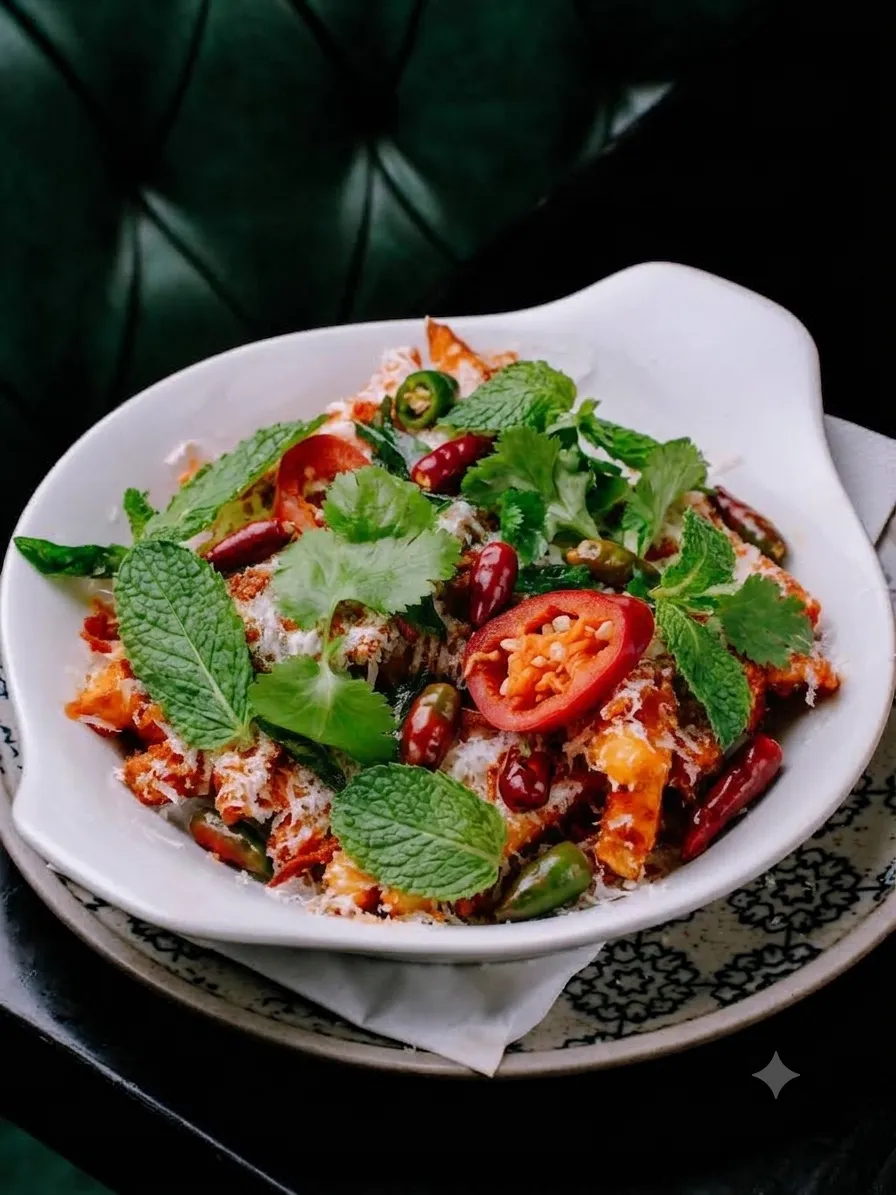
Unlock Flavor Secrets: Simple Cooking Hacks to Transform Ordinary Meals into Culinary Masterpieces

Unlock Flavor Secrets: Simple Cooking Hacks to Transform Ordinary Meals into Culinary Masterpieces
Have you ever served a dish that left your family or guests asking for seconds, only to realize it was a simple meal elevated with a few clever tricks? The difference between an ordinary dish and an extraordinary one often lies in the small, intentional choices we make in the kitchen. Whether you’re a beginner or a seasoned home cook, mastering a few fundamental hacks can turn everyday ingredients into restaurant-worthy creations. From enhancing textures to deepening flavors, these techniques will help you cook with confidence and creativity.
The Power of Seasoning: Beyond the Basics
Seasoning is the cornerstone of flavor, yet it’s often overlooked or rushed. Salt and pepper are just the beginning—layering seasonings at different stages of cooking can create depth that transforms a dish.
- Salt in Layers: Instead of dumping all the salt at once, season gradually. For proteins, salt them at least 30 minutes before cooking to allow the salt to penetrate. For vegetables, salting them as you cook (or even roasting them with salt) enhances their natural sweetness.
- Acidity is Your Ally: A splash of lemon juice, a dash of vinegar, or even a sprinkle of citric acid can brighten a dish and balance richness. Try adding it to soups, stews, or even roasted vegetables to cut through heaviness.
- Umami Boosters: Ingredients like soy sauce, fish sauce, Worcestershire sauce, or a spoonful of miso paste can add a savory punch to almost any dish. A tiny amount goes a long way—start with half a teaspoon and adjust to taste.
Remember, taste as you go. Your palate is the best tool for determining when a dish needs more seasoning.
Mastering the Maillard Reaction: How to Get That Perfect Crust
The Maillard reaction—the chemical process that browns food and creates complex, savory flavors—is what separates a bland piece of chicken from a crispy, golden-brown masterpiece. Achieving this reaction requires patience and the right techniques.
- Dry the Surface: Whether you’re searing meat, tofu, or even vegetables, patting them dry with a paper towel removes moisture, allowing for better browning. Wet surfaces steam instead of sear.
- High Heat is Key: Use a heavy-bottomed pan (cast iron works best) and heat it over medium-high to high heat. Add oil with a high smoke point, like avocado or grapeseed oil, and wait until it’s shimmering before adding your food.
- Don’t Overcrowd the Pan: Cooking too much food at once lowers the pan’s temperature, leading to steaming rather than searing. Work in batches if necessary.
- Patience Pays Off: Let the food develop a crust before flipping or moving it. Resist the urge to stir constantly—those beautiful browned bits stuck to the pan are packed with flavor.
For added depth, deglaze the pan with a splash of wine, broth, or even water after removing the food. Scrape up those browned bits (the fond) to create a quick pan sauce.
The Magic of Fat: How to Use It Wisely
Fat is flavor’s best friend. It carries and enhances the taste of herbs, spices, and aromatics while adding richness to dishes. But using fat strategically makes all the difference.
- Infused Oils: Heat oil gently with garlic, herbs, or spices to infuse it with their flavors. Strain and store in a clean bottle to use later for drizzling, sautéing, or finishing dishes.
- Butter for Finishing: A pat of cold butter whisked into a sauce or soup at the end of cooking adds a luxurious gloss and depth. This technique, called “monter au beurre,” is a French secret for velvety textures.
- Rendered Fats: Save bacon fat, duck fat, or chicken schmaltz to use in place of neutral oils. These fats have incredible flavor and a high smoke point, making them ideal for roasting or frying.
- Cream and Dairy: A splash of heavy cream, crème fraîche, or yogurt can mellow a dish’s acidity or add a silky finish. Stir it in at the end to prevent curdling.
Just be mindful of portion sizes—fat enhances flavor, but too much can overpower a dish.
Herbs and Spices: Fresh vs. Dried and When to Use Them
Herbs and spices are the building blocks of flavor, but knowing when and how to use them can make or break a dish.
- Fresh Herbs: These brighten dishes and are best added at the end of cooking to preserve their color and aroma. Think garnishes on soups, salads, or pasta dishes. Some exceptions include bay leaves, which are sturdy and can simmer in sauces or stews.
- Dried Herbs and Spices: These are more concentrated and release their flavors slowly. Add them early in the cooking process to allow their flavors to bloom. Ground spices like cumin or paprika are especially potent and should be toasted in oil or dry-pan to awaken their flavors.
- Blooming Spices: Toasts whole spices (like cumin seeds, coriander, or fennel) in a dry pan until fragrant, then grind them for maximum impact. This step is essential for dishes like curries, chili, or even homemade spice blends.
- Mix It Up: Combine fresh and dried herbs for contrast. For example, a pinch of dried oregano in a tomato sauce with fresh basil stirred in at the end.
Store spices in a cool, dark place and replace them every 6–12 months to ensure potency.
Resting and Carryover Cooking: The Unsung Heroes of Perfect Meals
It’s tempting to dig into a juicy steak or freshly baked bread the moment it comes out of the oven, but resting is a game-changer. Resting allows proteins to reabsorb their juices, resulting in a tender, moist bite.
- Meat Resting: After roasting or grilling, let meat rest for 5–10 minutes before slicing. Tent it loosely with foil to keep it warm without steaming.
- Carryover Cooking: Residual heat continues to cook food even after it’s removed from the heat source. For example, a steak will rise another 5–10°F while resting, so pull it off the grill or pan when it’s about 10°F below your desired doneness.
- Baking Rest: Bread, cakes, and cookies need time to set their structure. Let baked goods cool for at least 10–15 minutes before slicing or serving to avoid a gummy texture.
Skipping this step might mean serving a dry, tough piece of meat or a crumbly dessert. Patience here always pays off.
Simple Swaps for Big Flavor Upgrades
Sometimes, all it takes is a small ingredient swap to elevate a dish from good to great. These easy replacements can save time and add complexity without extra effort.
- Broth Over Water: Cooking grains like rice or quinoa in broth instead of water infuses them with flavor. Use vegetable, chicken, or beef broth for an instant upgrade.
- Greek Yogurt for Mayo: In dressings, dips, or even mashed potatoes, Greek yogurt adds creaminess and a tangy depth without the heaviness of mayo.
- Nut and Seed Butters: Swap peanut butter for almond or tahini in sauces or dressings. Tahini, for example, adds a nutty, slightly bitter note that pairs beautifully with lemon and garlic.
- Mushroom Powder: Blend dried mushrooms into a fine powder and use it to season meats, soups, or even popcorn for an umami-rich boost.
- Citrus Zest: The zest of lemons, limes, or oranges contains essential oils that pack a punch. Add it to baked goods, marinades, or roasted vegetables for a burst of freshness.
These swaps are simple but effective, proving that flavor isn’t always about adding more—sometimes it’s about making smarter choices.
Embrace Texture: The Secret to Memorable Dishes
Texture is just as important as taste. A dish with varied textures—crunchy, creamy, chewy—keeps every bite interesting. Think beyond the basics and play with contrasting elements.
- Crunchy Toppings: Add toasted nuts, seeds, or breadcrumbs to salads, pasta, or casseroles for a satisfying crunch.
- Creamy Elements: Dollop of whipped cream, a spoonful of ricotta, or a drizzle of tahini can add a luxurious mouthfeel.
- Chewy Add-Ins: Dried fruits like apricots or dates, or even chewy candied ginger, can add a pleasant chew to both sweet and savory dishes.
- Temperature Contrast: Serve hot dishes with a cold garnish, like a scoop of ice cream on warm apple pie or a sprinkle of cold herbs on hot soup.
Experiment with textures to keep your meals exciting and satisfying.
Final Thoughts: Cook with Intention
Transforming ordinary meals into culinary masterpieces isn’t about having a fully stocked spice cabinet or fancy equipment—it’s about understanding the fundamentals and applying them with intention. Season thoughtfully, master techniques like browning and resting, and don’t be afraid to experiment with textures and swaps. The more you play in the kitchen, the more confident you’ll become in your ability to create dishes that delight.
Start with one or two hacks from this list, and soon they’ll become second nature. Before you know it, your family and friends will be asking for your secrets—and you’ll realize that the best meals are the ones made with love, creativity, and a little bit of know-how.